DAVAO CITY (MindaNews / 31 March) — A culinary workshop on plant-based heritage meals introduced collectively farmers, indigenous teams, spiritual communities, and meals advocates in Davao Metropolis on Monday, framing meals not solely as sustenance, however a shared floor throughout cultures, faiths, and lived realities.
“Utanon: V40 Culinary Workshop on Plant-based Heritage Meals of Davao,” held on the Inexperienced Home Cinema on March 30, mixed talks with a group cooking session and a public meals pop-up, transferring from greedy environmental points, to sharing meals traditions, and in the direction of collective well-being.
Grounding meals in religion, historical past, and shared battle
The workshop opened by situating meals inside non secular, cultural, and systemic contexts.
Sr. Beverly Romualdo, of the Missionary Sisters of the Immaculate Concepcion, linked plant-based consuming to the observance of Holy Week, framing it as a observe rooted in care and accountability.
“We’re referred to as to take care of the earth and put together it for the following technology,” she stated, emphasizing that meals decisions can mirror each religion and stewardship of the surroundings. “It is a very robust problem that I at all times hear from our natives (It is a very robust problem I at all times hear from our native brothers and sisters).”
This relationship between meals and perception techniques was echoed within the opening cultural efficiency by Monuvu ladies, whose dance depicted cycles of farming — from testing soil fertility to giving thanks for the harvest — reflecting indigenous understandings of our relationship with land as a dwelling, sustaining presence.
Chef Laorence Castillo of Gulay Na! emphasised that addressing the problems that hurt that relationship requires collective effort, describing the workshop itself as an act of community-building.
“Meals… not solely to present us well being, however to revive one another as a group,” he stated. Meals isn’t just for well being; it retains us alive as a group.

Audio system then turned to the broader techniques shaping how meals is produced and consumed.
Leona Yap of OneVeg pointed to the interconnected crises of meals insecurity, environmental degradation, and public well being, stressing that these aren’t remoted points.
“Our present meals system is making us sick,” she stated, noting how distance from meals sources and reliance on ultra-processed merchandise have weakened connections between folks, farmers, and land.
She additionally emphasised that entry to wholesome meals is formed by bigger techniques, not simply particular person self-discipline.
“Well being isn’t just about an individual’s self-discipline, however the results of all of our decisions as actors on this massive system designed to maintain us sick,” she stated.
Dr. Macario Tiu, a Mindanao scholar and historian, located these conversations inside an extended timeline, pointing in the direction of precolonial meals practices and indigenous information techniques that proceed to form native delicacies.
Constructing on this, Anita Pandian grounded the dialogue within the lived realities of farmers and indigenous communities, pointing to the gradual disappearance of underutilized and indigenous plant species — as soon as generally discovered close to rivers and rice fields — because of the widespread use of chemical herbicides. She famous that many of those crops, now not often seen if in any respect, had been as soon as a part of on a regular basis diets in farming communities.
Pandian additional highlighted conventional cooking practices utilizing pure supplies reminiscent of bamboo, situating them inside broader techniques of sustainable dwelling now being eroded. She linked the shift in the direction of chemically dependent farming to declining meals high quality and rising well being issues. On the similar time, she emphasised the significance of reviving natural and conventional farming practices, and resisting corporate-driven agricultural techniques that push farmers in the direction of dependency relatively than self-sustaining manufacturing.
Dr. Moon Maglana, of Alternatibong Katilingbanong Kalambo-ang Panglawas, likewise framed entry to greens as a matter of public well being, stressing that communities can’t be nicely if nutritious, accessible meals stays out of attain. She pointed to the necessity for community-based approaches that reconnect folks to native meals sources, particularly within the face of rising well being issues linked to weight loss program.
From dialogue to observe: cooking as shared information
The afternoon shifted from dialogue to observe by way of a group cooking session, the place contributors ready plant-based heritage dishes utilizing regionally identified however typically underutilized components.
A number of cooking stations ran concurrently, led by farmers, indigenous cooks, and group members. Among the many dishes ready had been boiled dirif, boiled aposaw, seaweed kernels, leaf salad, fried likondol, vegan lozenges created from langka, and fainting.
Regardless of the unfamiliarity of some components, the strategies used — boiling, sautéing, blanching, and cooking in coconut milk — had been extensively recognizable.
In taken care ofled by Diangan Manuvu Julieta Linogan, for example, leaves had been ready utilizing the identical method usually utilized to extra widespread greens like pumpkin, string beans, or taro leaves: softened, then sautéed and cooked in coconut cream till thick. In together with the patikan led by Anita Pandian, the palm core was sliced and cooked in a method much like law-uywhereas Air Snatch of Dabaw’s Permaculture leaf salad tailored the strategy of blanched leafy salads, then completed with contemporary toppings reminiscent of pomelo and edible flowers.

These dishes revealed a key perception: Filipino delicacies is commonly outlined much less by mounted components, than by adaptable strategies. Dishes stay acquainted even when components change: taken care of, sauteedor suman retain their identification regardless of what’s used, permitting native and indigenous crops to take middle stage.
On the similar time, the session highlighted the worth of indigenous information in figuring out and sustaining these components. Greens like aposaw, dahongayanand flip it offalthough much less seen in city markets, stay a part of on a regular basis life within the communities that domesticate them, underscoring their potential in vitamin, sustainability, and even future meals analysis.
Improvements additionally emerged alongside custom. Workforce Gulay Na!’s Vegan lozengesfor instance, demonstrated how uncommon’s naturally fibrous texture could be developed by way of boiling and frying, providing a plant-based various that responds to altering meals wants whereas remaining rooted in acquainted kinds.
Stewed dirifled by Obu-Manuvu Jenelyn Mansalinao, concerned simmering banana blossom with tomatoes, ginger, and different aromatics till tender. Ginisan earthquakeready by Anita Morales of Metsa Basis & PGS Davao, adopted a easy sautéing technique utilizing kondol and aromatics. I fainteddemonstrated by Azrel Deborah Comiling of MASIPAG Mindanao, mixed candy potato and saba bananas with sticky rice flour and coconut water earlier than being wrapped in banana leaves.

Meals as a shared desk
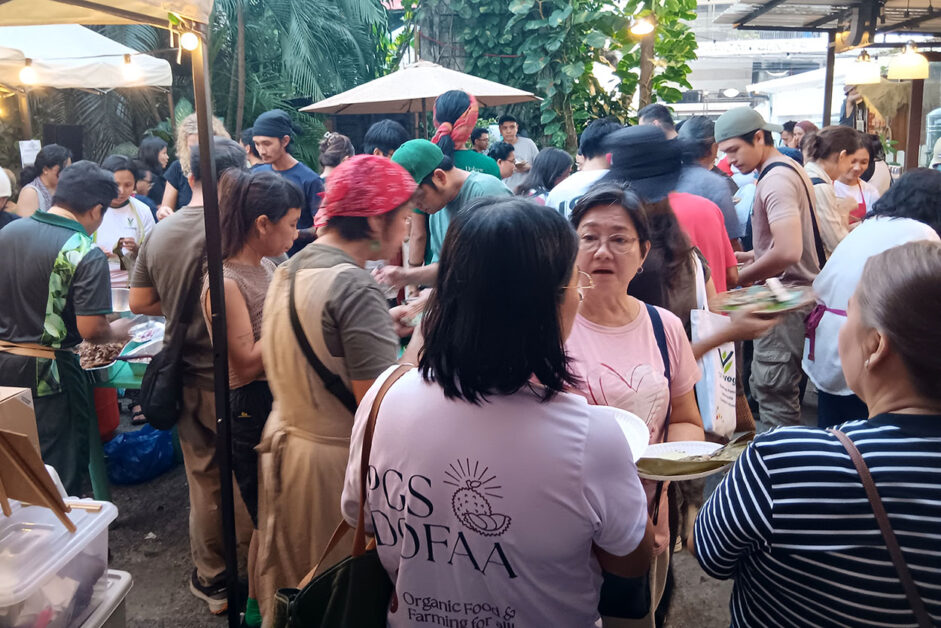
The workshop culminated in a night meals pop-up, the place members of the general public had been invited to pattern the dishes ready earlier within the day.
For organizers and contributors, the act of consuming collectively marked the completion of the method: from dialogue to preparation to shared expertise.
The pop-up additionally prolonged past ready dishes, with accomplice teams Artwork Aid Cell Kitchen Davao and the Matina Group Pantry additionally showcasing small-scale, sustainability-oriented merchandise. Handmade items reminiscent of pure soaps had been displayed alongside fruits and occasional choices. Kugi Gradual Bar, for its half, launched inventive plant-based drinks, together with a buko pandan matcha that blended acquainted Filipino flavors with up to date world methods.

Throughout the day’s actions, a recurring thought emerged: that meals, whereas formed by completely different cultures and faiths, additionally reveals shared issues. Points reminiscent of meals insecurity, environmental degradation, and entry to wholesome meals have an effect on communities in a different way, however stay interconnected.
By bringing collectively various teams — from Catholic spiritual staff to indigenous communities and meals advocates — the occasion underscored how these variations can converge in observe, the place meals turns into each a website of reminiscence and an area for collective response. (Bea Gatmaytan / MindaNews)
https://weblog.passive-income4u.com/create-your-very-own-auto-publish-news-blog-site-and-earn-passive-income-in-just-4-easy-steps/
https://mindanews.com/function/2026/03/plant-based-workshop-and-pop-up-in-davao-bring-food-faith-and-community-together/