That is AI generated summarization, which can have errors. For context, all the time discuss with the complete article.
Constructed on a long time of analysis and conservation efforts for the reason that Nineties, the platform paperwork the marine lifetime of the West Philippine Sea, hoping to encourage Filipinos to assist shield and handle the nation’s pure assets
Bringing the West Philippine Sea nearer to Filipinos, the University of the Philippines (UP) Marine Science Institute (MSI) launched on Thursday, May 21its new web site exploring the marine biodiversity of Pag-asa Island.
The platform, constructed on a long time of analysis and conservation efforts, paperwork the institute’s scientific discoveries on the island.
“The ‘Pag-asa Island: A Hidden Pearl of Biodiversity’ compiles analysis findings, discipline pictures, and private reflections from UP MSI’s expeditions to the Kalayaan Island Group, particularly Pag-asa,” the UP MSI stated. “This can be a webpage created to deliver the Filipino individuals nearer to the wealthy marine life and on a regular basis experiences of our westernmost island.”
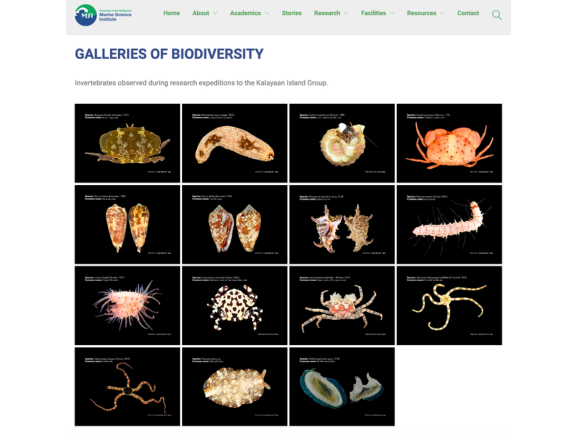
The UP MSI, which started conducting in depth analysis and documentation as early as 1993has curated an internet gallery of marine life, starting from invertebrates to totally different sorts of seaweeds noticed throughout their expeditions.
“Researchers hold returning to Pag-asa (which suggests ‘hope’ in Filipino) at any time when alternatives come up, impressed by life’s resilience on this outstanding island and its oceanographic and organic connections to the broader area,” the institute stated on its web site. “Might this particular characteristic encourage hope for the continued resilience of Pag-asa’s wealthy marine life and motion for the clever administration and conservation of its pure assets.”
Other than the galleries, the platform additionally options articles that summarize researchers’ findings and insights, the most recent MSI information, and a timeline of analysis carried out by the institute within the Kalayaan Island Group.
In one of many web site’s “Letters from Pag-asa” entries, UP MSI affiliate professor Wilfred John Santiañez mentioned the significance of seaweeds in sustaining not solely marine life but in addition in “supporting livelihood, offering diet, selling therapeutic, and nourishing crops and livestock” for the locals.
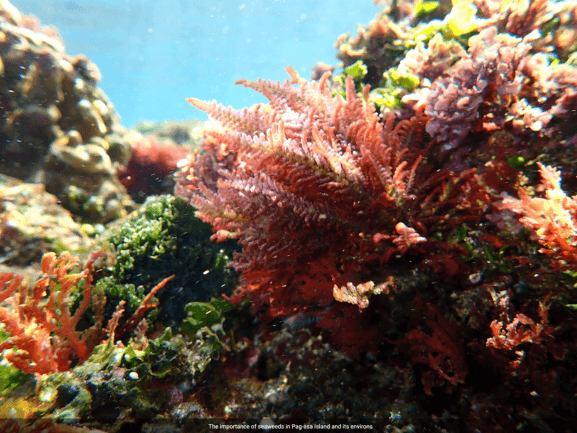
Santiañez additionally identified that whereas earlier research assumed Pag-asa Island’s seaweed assets have been much less various, current UP MSI analysis discovered that the island truly hosts a variety of high-value seaweeds.
“The seaweed assets of Pag-asa Island and its environs have lengthy been thought-about as much less various…. Our current and extra intensive work…nevertheless, challenges that assumption. We have now noticed that the world harbors a various assemblage of seaweeds…together with a number of species of crimson seaweeds which have by no means been described earlier than,” the study acknowledged.
Given this potential, Santiañez confused the pressing must spend money on and promote the conservation of offshore reef ecosystems to make sure the sustainability of seaweed biodiversity — not simply in Pag-asa but in addition throughout the Philippines.
“Contemplating the wealth of seaweed biodiversity within the area, and particularly the untapped potential of those underutilized and underdeveloped marine assets, it’s crucial that extra efforts be made on the conservation and administration of offshore reef ecosystems,” he stated. “Investing in these efforts (is) essential as destruction of those weak ecosystems is not going to solely influence the current technology but in addition the generations to return.”
The UP MSI stated the website can be repeatedly up to date with future analysis findings. The web site and the institute’s ongoing expeditions to Pag-asa Island are presently supported by the Embassy of Canada within the Philippines via the Canada Fund for Native Initiatives. – Rappler.com
https://weblog.passive-income4u.com/create-your-very-own-auto-publish-news-blog-site-and-earn-passive-income-in-just-4-easy-steps/
https://www.rappler.com/atmosphere/university-philippines-marine-science-institute-website-pagasa-island-biodiversity/