An uncommon sequence of fish die-offs alongside South Korea’s east coast is elevating questions on whether or not one of many area’s most efficient fishing grounds is present process a big ecological shift.
Officers and native media mentioned Wednesday that lots of of fish, together with mackerel and herring, had been discovered useless alongside Yeongok Seaside in Gangwon Province. Some carcasses had been seen floating offshore earlier than being pushed onto the sand by waves, abandoning a robust odor and prompting complaints from residents and vacationers.
Related incidents have just lately been reported at close by seashores, together with Gyeongpo Seaside, the place giant numbers of useless anchovies washed ashore on June 10.
READ: S. Korea has bluefin tuna boom; quotas mean hundreds of tons discarded
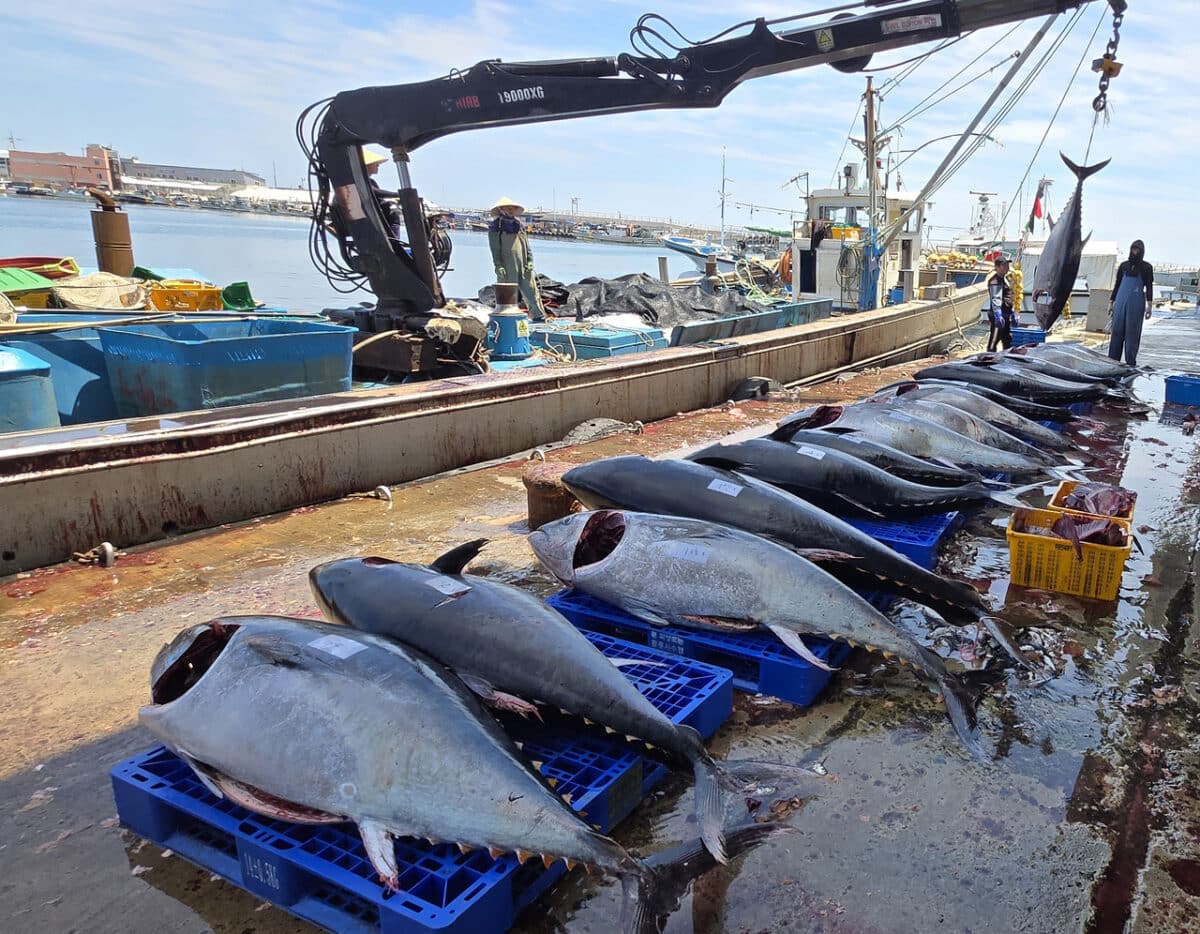
Authorities mentioned marine air pollution is unlikely to be the first trigger. As a substitute, consideration has turned to a doable hyperlink with a current surge in Pacific bluefin tuna catches off the east coast.
Native set-net fisheries have reported considerable tuna catches in current weeks. Bluefin tuna, one of many ocean’s high predators, feed on anchovies, juvenile mackerel and different small pelagic fish.
Consultants say one doable clarification includes bycatch in set-net operations. Small fish trapped alongside tuna in giant nets might have died from stress, compression or damage earlier than being discarded and carried towards shore by currents and waves.
One other principle focuses on predator-prey dynamics.
As bluefin tuna and different predatory species transfer nearer to coastal waters, faculties of anchovies and different forage fish could also be pushed towards shallow areas or seashores whereas making an attempt to flee. The ensuing stress and overcrowding can result in mass mortality occasions.
READ: They caught a fortune in tuna, then had to dump it all in the sea
Marine researchers raised the same risk following the current anchovy die-off, suggesting the fish might have been chased towards shore by bigger predators.
Some specialists consider the incidents might additionally mirror longer-term ecological adjustments linked to local weather change.
Rising sea temperatures within the East Sea have allowed warm-water species akin to bluefin tuna to develop their vary farther north. As predator populations and migration routes change, the distribution of prey species shifts as properly, altering the construction of the marine meals internet.
Bluefin tuna, as soon as comparatively unusual in Korean coastal waters, have been noticed and caught extra regularly in recent times as seas have warmed. Some particular person tuna caught off Gangwon Province this summer season measured greater than 1.5 meters in size.
Gangneung authorities mentioned they’re accumulating the useless fish and investigating the precise reason for the incidents. /dl
https://weblog.passive-income4u.com/create-your-very-own-auto-publish-news-blog-site-and-earn-passive-income-in-just-4-easy-steps/
https://globalnation.inquirer.internet/327727/dead-fish-on-koreas-east-coast-linked-to-tuna-surge-warming-seas