That is AI generated summarization, which can have errors. For context, at all times confer with the total article.
Even earlier than the Aboitizes got here, CBK was the main focus of what was probably essentially the most fiercely contested infrastructure challenge in fashionable Philippine historical past
Few infrastructure initiatives in Philippine historical past have spawned a lot political warmth, company intrigue, media warfare, and authorized bloodletting because the Caliraya-Botocan-Kalayaan hydroelectric (CBK) complicated.
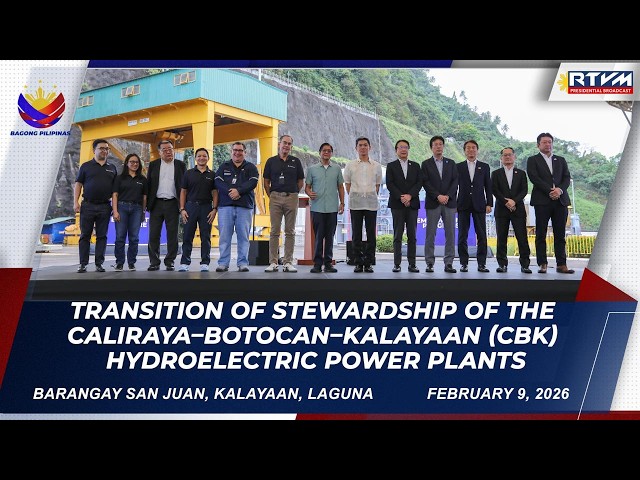
Right now, the headlines belong to the Aboitiz Group after its Thunder Consortium shocked the market with a P36.27-billion winning bid for the CBK complexdefeating the Lopez-led First Gen consortium and securing management of one of many nation’s most strategically vital power belongings.
Beneath that lies a forgotten company warfare so vicious that it consumed presidents, conglomerates, diplomats, newspapers, and a few of the strongest political networks of its time.
Even earlier than the Aboitizes got here, CBK was the main focus of what was probably essentially the most fiercely contested infrastructure challenge in fashionable Philippine historical past. On the coronary heart of that battle have been two adversaries that couldn’t have been extra dissimilar.
On one facet was the Lopez familythen among the many most influential enterprise dynasties within the nation and already rebuilding its power-sector empire. The second was Industrias Metalúrgicas Pescarmona Sociedad Anónima, higher often known as IMPSA, an Argentine engineering big that few Filipinos had heard of earlier than it immediately appeared with a $450-million proposal to rehabilitate and function the CBK hydroelectric complicated.
The ensuing battle would present the conflict between overseas capital and native oligarchy, between the nascent Swiss problem paradigm and established company pursuits, and between a authorities keen to muscle by way of a strategic infrastructure challenge and a strong home pressure bent on halting it.
What made the battle extraordinary was that the combat had been determined earlier than it began.
IMPSA had already secured the standing of authentic proponent underneath the federal government’s unsolicited proposal framework. The Swiss problem mechanism permitted rivals to problem the proposal, however the Argentine agency retained the appropriate to match any superior supply. In sensible phrases, the taking part in discipline had basically shifted. The race advanced from merely profitable the challenge from the get-go to taking away a bonus that was already legally conferred.
That was a profound strategic setback for a company institution used to competing from positions of power. What ensued was a marketing campaign that was far broader in scope, spilling out and in of convention rooms and board conferences. Authorized challenges emerged.
Dramatic media battles
Questions arose over the economics of the challenge and allegations of irregularities stuffed the headlines. Political strain intensified. Because the controversy deepened, then-president Joseph Estrada himself was dragged into the middle of the storm after being accused by the Gokongwei-owned Manila Occasions of getting been an “unwitting ninong” to the allegedly anomalous contract.
This battle grew into one of the crucial dramatic media battles of the period. Estrada filed a P101-million libel go well with in opposition to the newspaper. The case was later withdrawn after an apology was printed, however the strain surrounding the controversy grew to become so intense that The Manila Occasions itself ultimately ceased operations underneath its then possession earlier than later rising underneath completely different proprietors.
In the meantime, Malacañang reworked the IMPSA challenge right into a matter of state diplomacy. Estrada’s state go to to Argentina in September 1999 included the administration overtly linking the CBK contract to broader Philippine-Argentine financial relations. Newspaper headlines celebrated the challenge as an emblem of increasing bilateral commerce. Estrada publicly declared the rehabilitation contract a “finished deal” regardless of what he described as persevering with “authorized and non-legal points.”
This assertion in truth could nicely have been essentially the most suggestive of your complete controversy. However by this time, the battle had advanced past engineering, pricing, or hydroelectric rehabilitation. CBK was primarily a proxy warfare over who would management one of the crucial strategically vital belongings within the Luzon grid. And in the long run, regardless of the depth of the resistance, IMPSA gained. However this victory can be non permanent.
The Argentine agency might need emerged victorious within the political warfare, however infrastructure belongings have lengthy recollections. CBK’s possession construction modified over time. Japanese capital entered by way of Sumitomo and related buyers. The challenge matured into CBK Energy Firm. And ultimately, with a cascade of company reorganizations and acquisitions, the asset landed with the very group that had as soon as so intensely fought in opposition to it — the Lopez household itself.
Historical past, apparently, had wrapped again round. However solely quickly. As a result of now, 25 years later, the Aboitiz group has taken CBK away but once more. And right here is the place the following chapter of this story begins, which I’ll deal with within the subsequent e-newsletter.
I welcome your views on these and different points the place choices made in energy form the nation’s financial future.
Under are Vantage Level items you might need missed:
Click on right here for different Vantage Point articles.
https://weblog.passive-income4u.com/create-your-very-own-auto-publish-news-blog-site-and-earn-passive-income-in-just-4-easy-steps/
https://www.rappler.com/voices/newsletters/vantage-point-cbk-impsa-aboitiz-lopez-battle-luzon-hydroelectric-power-plant/