BONGAO, Philippines — From the airplane, Tawi-Tawi first seems in blue.
Because the plane descends towards Sanga-Sanga Airport, the Sulu Sea fills the window, damaged by islands, reefs, and strips of inexperienced. For somebody coming from the mountains of Northern Luzon, the panorama feels virtually like one other nation.
However what strikes you first isn’t distance. It’s how a lot of Tawi-Tawi nonetheless feels untouched by the sort of tourism that may reshape a spot earlier than guests have realized to grasp it.
The ocean is in all places. Boats are in all places. Communities stay carefully tied to the water. You see the sweetness, and also you hope it stays that means.
On my first night within the province, I used to be advised there was an occasion on the port. I went. The masts have been the primary issues I noticed.
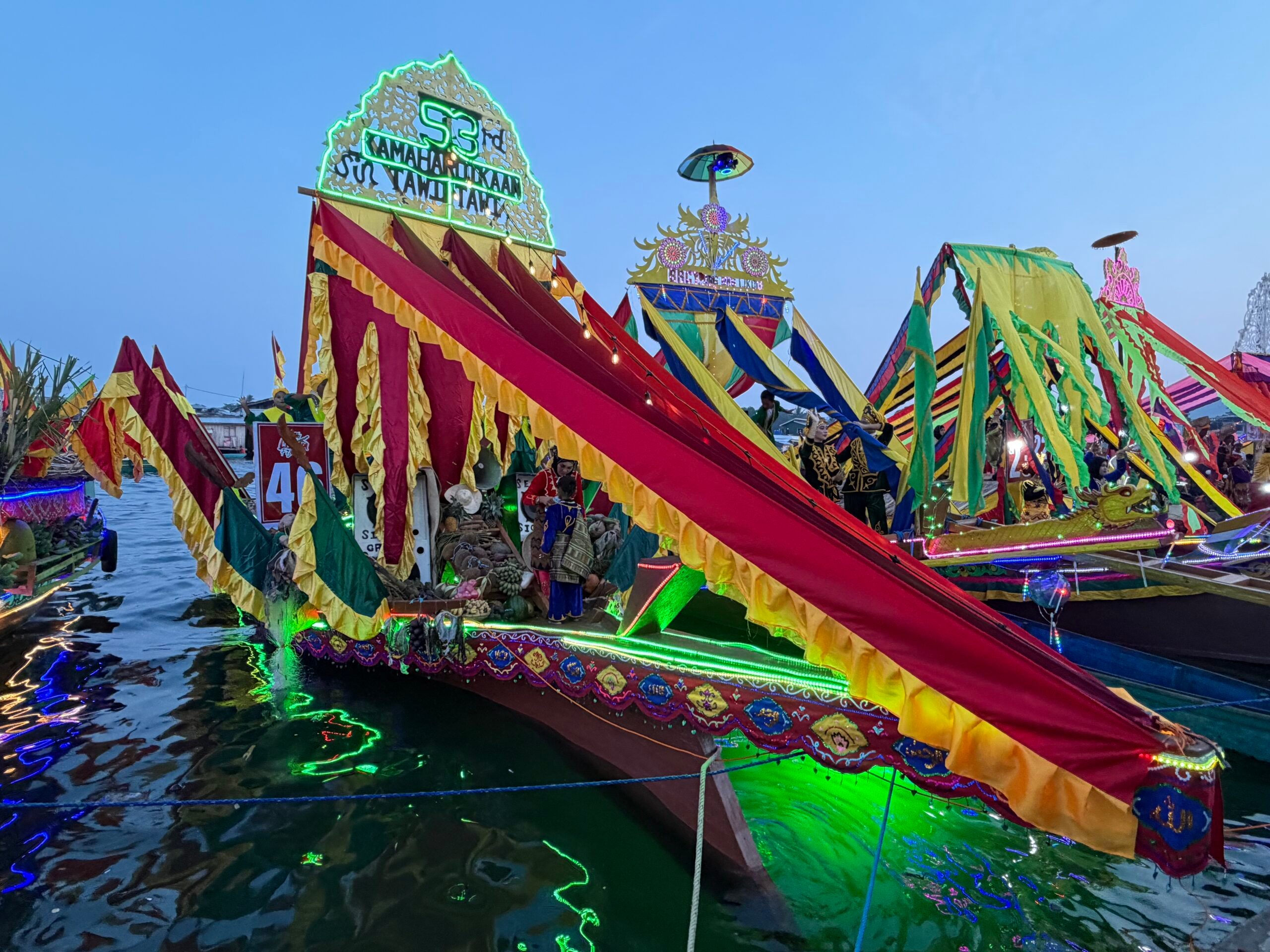
They rose above the group within the fading mild, ornate picket kinds seen from a distance earlier than the boats themselves got here into view. Up shut, the waterfront was a burst of shade.
Crimson, yellow, inexperienced, pink, blue, and gold streamed from the boats. Fabric stretched from tall masts towards the bows. Flags fluttered above carved hulls. Ornamental panels, umbrellas, lights, and patterns made every vessel distinct.
This was the Lepa Pageant, a part of the Kamahardikaan sin Tawi-Tawi, the province’s founding anniversary celebration. Then the music began.
Virtually each boat appeared to have its personal sound system. Songs overlapped throughout the water as dancers moved on slender decks, surrounded by musicians, kids, and performers ready their flip.
The noise was immense. So was the vitality. Amid all of it, the dancers held your consideration.
Their actions have been managed and fluid, particularly within the arms and wrists. A number of the girls wore lengthy silver fingernail extensions that gave each gesture extra form and drama. Males and youngsters danced alongside them.
The performances drew from igal, a standard dance related to Sama communities, identified for expressive actions of the arms, arms, and physique.
Even within the din, the dancers moved with outstanding composure. The boats themselves carried one other story.

The lepa is greater than a pageant vessel. Historically, it served as residence, transport, and livelihood for Sama Dilaut communities whose lives have been carefully related to the ocean.
Many households later moved into stilt homes alongside the coast, however the lepa stays one of many strongest symbols of that maritime heritage.
Beneath the lights and decorations have been carved hulls, elaborate picket kinds, lengthy sweeps of material, and craftsmanship handed down over generations.
There have been LED lights and turbines, too. This was not an try and freeze tradition previously. It was tradition being carried into the current.
Nothing concerning the pageant felt like heritage positioned neatly on show for outsiders.
Folks have been dancing on the boats. Youngsters have been performing. Musicians have been enjoying. Crews checked ropes and lights. Households watched from the shore. Spectators took pictures and movies, however the boats nonetheless felt like group areas fairly than props.
The satisfaction was unmistakable.

Entries got here from completely different municipalities throughout Tawi-Tawi, with some supported by native officers.
As darkness settled over Bongao, the group thickened alongside the waterfront, and the tall masts fashioned a colourful skyline over the port.
Then got here the countdown. Turbines have been switched on. One after the other, the lepa lit up!
Inexperienced, purple, blue, purple, and white lights traced the hulls, masts, carvings, and fabric. Their reflections shimmered throughout the darkish water.
Telephones went up. Youngsters pressed nearer to the entrance. The dancers stored transferring. For a couple of minutes, all the waterfront appeared to glow.
Governor Yshmael “Mang” Sali and Vice Governor Al-Syed Sali have been among the many provincial officers current, together with mayors, members of the Bangsamoro Parliament, and different native leaders who additionally served as judges.
However the officers weren’t the middle of the night time. The boats have been. Extra importantly, the individuals who constructed, adorned, sailed, danced on, and gathered round them have been.
Hja. Elmasia Madjilon, Tawi-Tawi commissioner of the Bangsamoro Fee for the Preservation of Cultural Heritage, described the lighting of the lepa as one thing bigger than a spectacle.
“We’re not simply merely lighting a standard vessel,” she advised the group. “We’re bringing life to a narrative that has traveled throughout generations.”
She spoke of the lepa as a vessel carrying information of boatmaking, navigation, artwork, and a lifestyle formed by the waters surrounding the islands.
“Each type, each design, and each meter carries the reminiscence and knowledge of our ancestors,” she mentioned.

Standing beside the boats, that was simple to grasp. Heritage right here was not confined to a museum. It was within the carved wooden, the dancers’ arms, the kids studying the actions, and the individuals who nonetheless knew find out how to construct, adorn, and clarify the vessels.
Festivals can generally scale back tradition to spectacle.
There was definitely spectacle in Bongao that night time: vibrant lights, competing sound methods, prizes, judges, and lots of of telephones pointed towards the water. However the celebration by no means felt hole.
It felt communal, joyful, and rooted in place. Coming from the Cordillera, I discovered one thing acquainted in that.
The landscapes couldn’t be extra completely different, however communities within the North additionally carry traditions whereas negotiating a quickly altering world.
Within the mountains, id is commonly tied to land, ritual, weaving, reminiscence, and place.
In Tawi-Tawi, a lot of that story is carried by the ocean.
And on my first night time within the Philippines’ southernmost province, these tales glowed on the water, one lepa after one other. – Rappler.com
https://weblog.passive-income4u.com/create-your-very-own-auto-publish-news-blog-site-and-earn-passive-income-in-just-4-easy-steps/
https://www.rappler.com/individuals/human-interest/tawi-tawi-lepa-festival-tells-story/