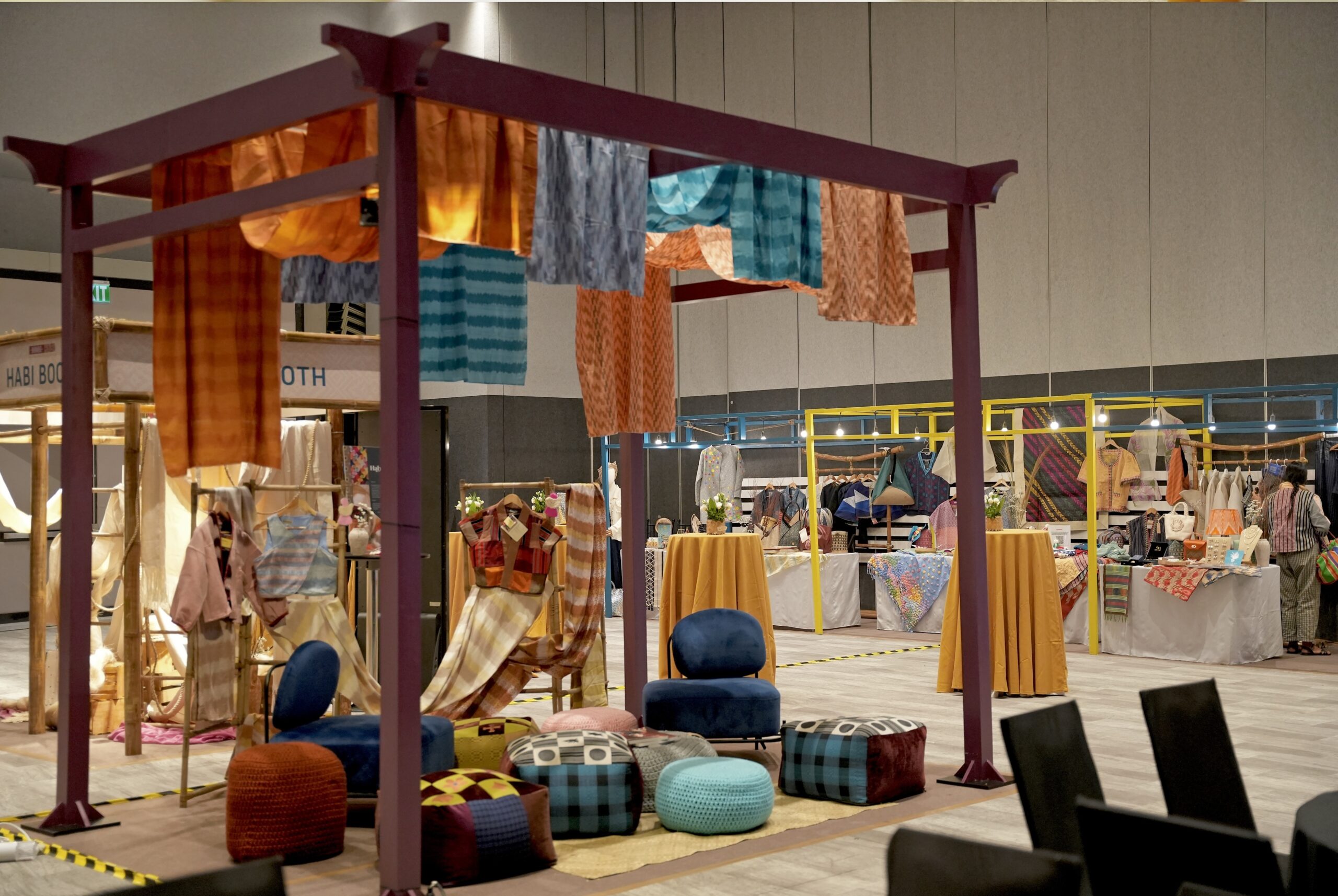
Lists of “slowly dying” conventional artwork kinds nearly all the time embody handwoven merchandise because the rise of quick style has eclipsed conventional crafts the previous a long time.
However contained in the bustling halls of the sixteenth Likhang Habi Market Truthful, it showcased how youthful fingers have been making an attempt to revive Filipino weaving traditions.
Algene Fernandez, a 21-year-old weaver, shares that she’s among the many younger artisans proudly serving to preserve the custom alive.
“I’m the fourth era in our household on this business (I’m already the fourth era from our household on this business),” Algene mentioned.
“It’s actually concerning the folks behind each craft that we create. It represents the sacrifices, the onerous work, the effort and time that they’ve put into the piece.”
The market honest, organized by HABI: The Philippine Textile Council, actually intends to encourage extra younger creatives to advertise native Filipino artwork.
“When HABI began, weaving within the Philippines was dying,” mentioned Rambie Lim, a founding member of HABI and a vendor representing the Rurungan Collective. “However by way of the years of HABI, we’ve actually seen the expansion and the curiosity from weavers who’re youthful.”
”I feel an increasing number of of the youthful era is appreciating it, and the older weavers as nicely see it as one thing that they’ll move on,” Rambie added.
“To start with of HABI, a whole lot of weavers would say, ‘Oh, no, I am only a weaver (No, I’m only a weaver).’ And so they didn’t really feel that they might or would move on their expertise.”
In recent times, that hesitation has was delight.
“These days, that’s what persons are searching for: one thing that’s made by human fingers,” shared Adelaida Lim, HABI president emeritus.
“We should always worth that, and never say that they’re simply farmers who do this work. No, they’re additionally artisans, they’re creatives, they usually’re Filipinos.”
This human component is strictly what the market honest bridges. When patrons work together instantly with the artisans, a transaction transforms into an schooling.
“From the shopper’s aspect, they understand, ‘Ah, it is onerous to do (Oh, it’s onerous to do),’” Adelaida mentioned. “When the customer realizes that, they admire the product.”

Past the labor, patrons additionally be taught concerning the tales, expertise, reminiscences, livelihood, tradition, and communities behind these conventional merchandise — and the way each piece represents a complete village.
“Weaving is a part of the tradition, and it expresses what their historical past was,” mentioned HABI president Mia Villanueva. “It’s a residing historical past. A number of the issues within the textile have symbolism, so the younger folks must be taught that.”
Apart from the market honest, Likhang Habi just lately launched the Lourdes Montinola Piña Weaving Competitors for weavers beneath 30 years previous. One of many winners was as younger as eight years previous.
“Ever since we began the competitors, so many new strategies have been revived,” Adelaida shared. “It raised the extent of excellence.”
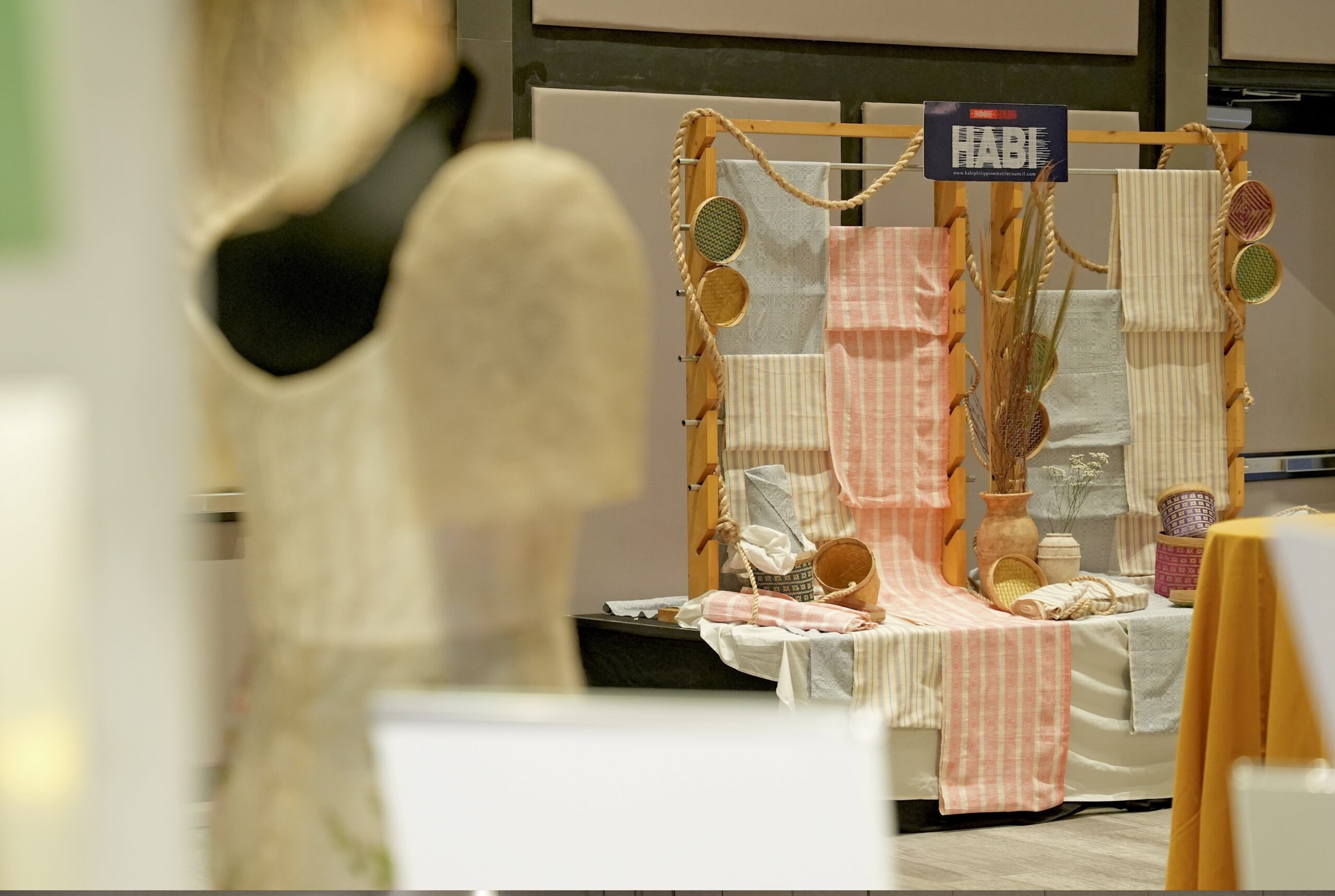
For Rambie, younger Filipinos may also be taught extra about their roots by way of textile.
“I feel folks ought to look again to the place their mother and father are from and see, as a result of if we ask the elders, we’ll discover out we even have a weaving custom that was like forgotten,” Rambie mentioned. “I grew up in Lipa, Batangas, and there are two teams now which can be really pushing ahead and shall be a part of HABI.”
“So there’s so much. And I feel our problem is to return to HABI and discover — discover your individual id as Filipinos by way of the textile.”
Toni Rose Jazmin, who collects woven materials from completely different provinces, mentioned they’re “value each thread.”
“For me, each thread has a narrative; each thread is a narrative. So I simply need to showcase that woven cloth within the Philippines could be very stunning,” shared Toni Rose.
“Behind it, the folks, the artisans — they’re superb and proficient. Particularly those I’m working with from Bicol weavers, Camarines Sur, from Abra, from Kalinga, and from Bukidnon.”
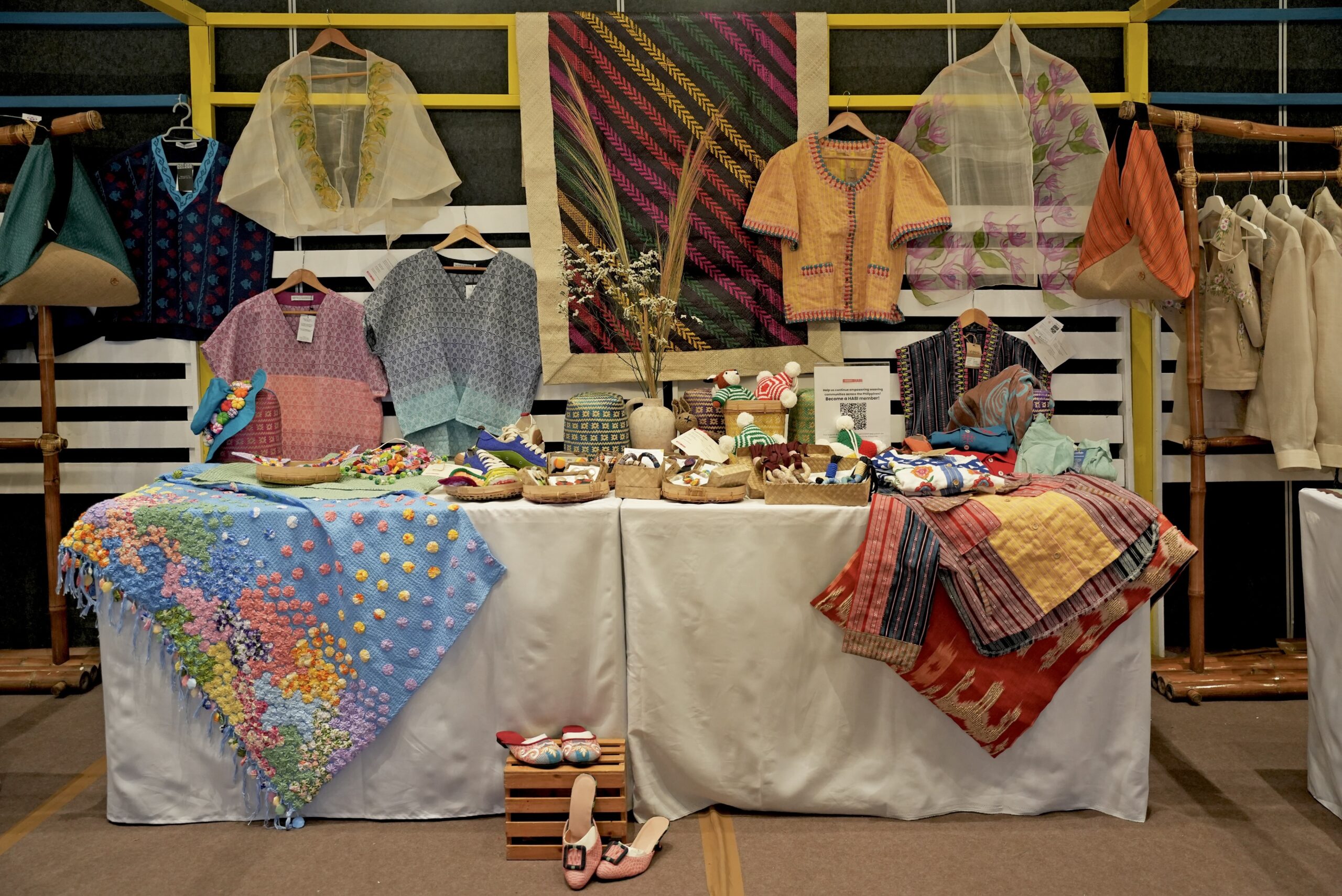
Environmentally, the revival additionally comes at a important time as the worldwide textile business depends closely on low-cost, artificial materials like polyester, which clog landfills and pollute waterways.
In distinction, conventional Philippine weaving promotes sustainability as native weaving communities persist with indigenous, pure fibers like cotton and abaca.
“The polyester that they mix with cotton creates every kind of air pollution and rubbish,” mentioned Adelaida. “Whereas in the event that they have been to stick with cotton, it goes again once more to the surroundings.”
“The weaving business within the Philippines is definitely one thing that’s very sustainable if it will get going,” she added. “It has a task to play in local weather change.”
This advocacy additionally attracts in a brand new demographic: the extra environmentally aware youth.
“I actually hope that the following generations take it on, as a result of it’s not only a management function, it’s a duty,” mentioned Adelaida. “You possibly can’t simply be accountable to us Filipinos; you’re accountable to the entire of the surroundings.”
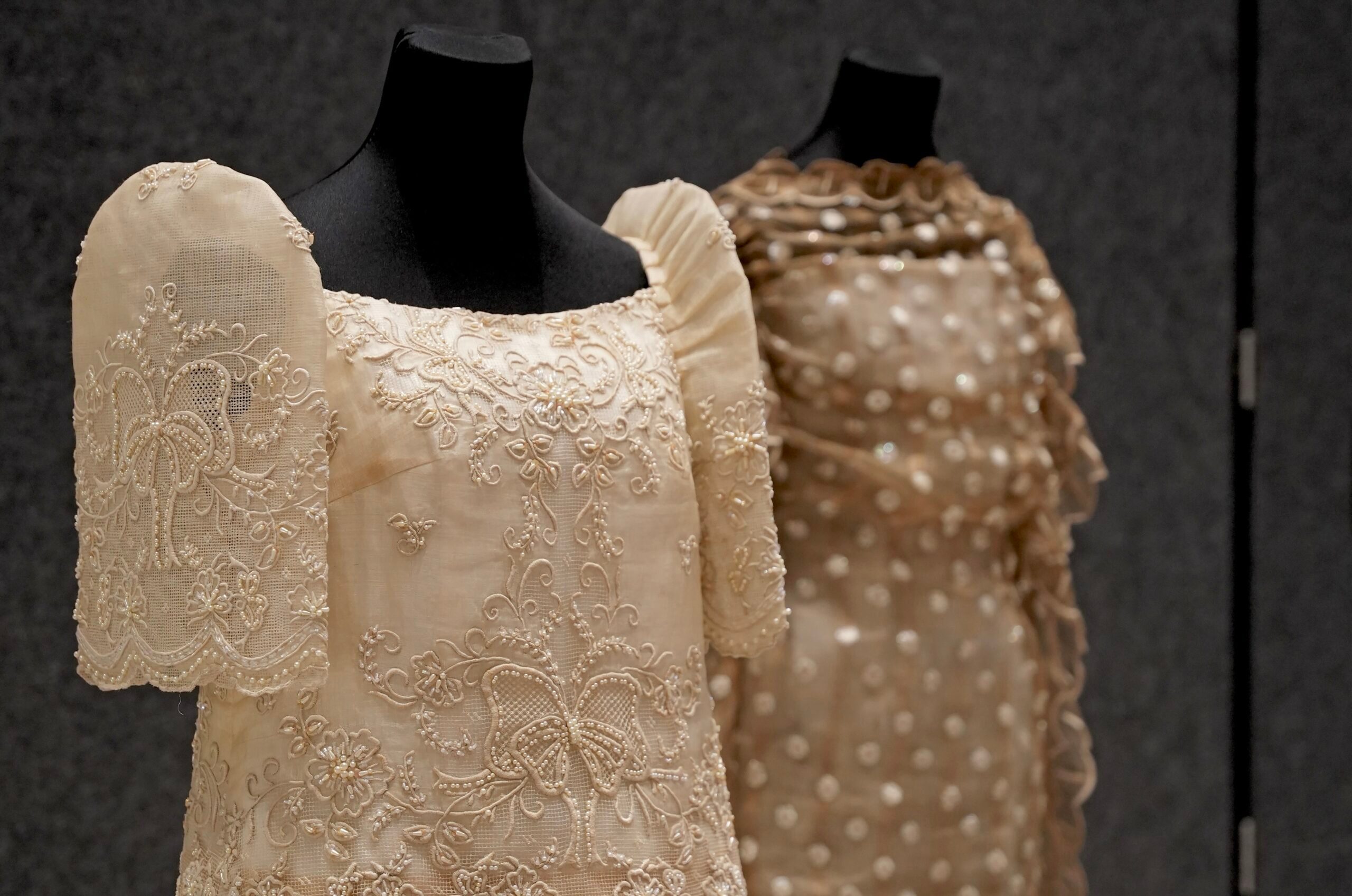
Trying ahead, HABI hopes to broaden its grassroots footprint by supporting younger artisans by way of varied packages and actions.
“It begins with curiosity, publicity — publicity generates curiosity,” mentioned Maribel Ongpin, chairman emeritus of HABI. “Younger folks instantly embraced it. Then all of the sudden, style designers joined. And as soon as that began, it turned a mass motion, in a way.” – Rappler.com
Angel Camille Dio is a Rappler intern learning BA Journalism at Polytechnic College of the Philippines.
https://weblog.passive-income4u.com/create-your-very-own-auto-publish-news-blog-site-and-earn-passive-income-in-just-4-easy-steps/
https://www.rappler.com/folks/artists/philippine-weaving-likhang-habi-communities/