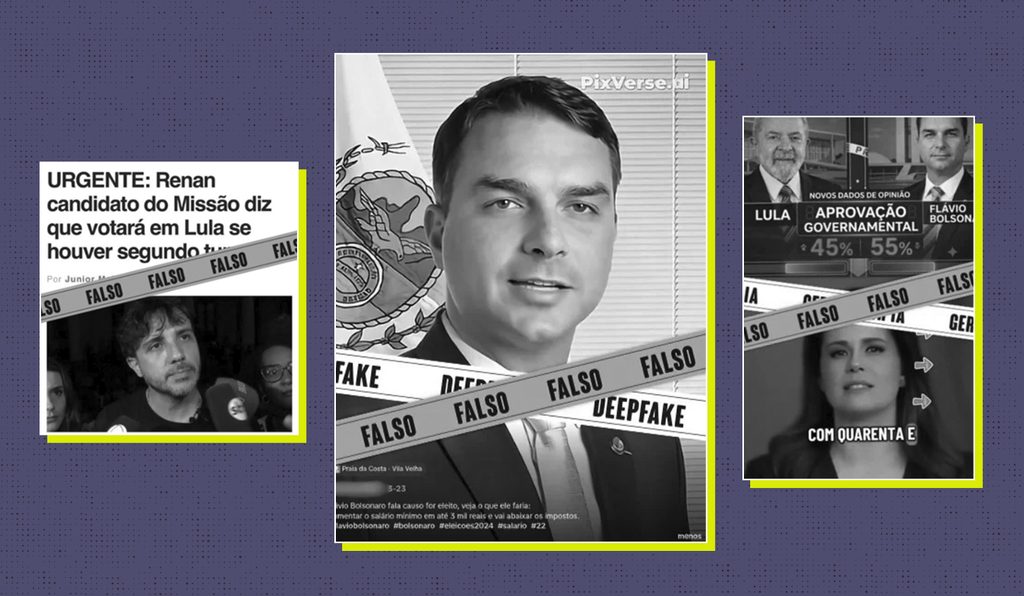
Because the Philippines strikes nearer to the 2028 elections, Brazil’s 2026 presidential race provides a wake-up name: electoral guidelines alone can not cease the surge of AI–generated political content material.
Political maneuvering for the 2028 Philippine polls is predicted to start early subsequent yr, and Brazil’s 2026 presidential election affords a glance forward on the digital risk panorama.
In the course of the first spherical of Brazil’s race, AI political content material appeared in feeds almost as soon as per hour, in accordance with fact-checking company Agência Lupa.
By its VigIA undertaking, Lupa confirmed that 920 of 1,941 election-related posts have been AI-generated from August 16 to September 28. Over half (60%) have been deepfakes, that are artificial media depicting actual folks doing one thing they by no means did.
Brazil’s Superior Electoral Courtroom (TSE) has regulated AI in elections since 2024, banning deepfakes whereas requiring disclosure labels for different AI marketing campaign supplies. Nonetheless, the courtroom ruled in September that the deepfake ban applies to content material characterised as electoral propaganda.
The ruling got here after the TSE voted to not penalize presidential candidate Senator Flávio Bolsonaro for exhibiting AI-generated photos of his imprisoned father, former president Jair Bolsonaroendorsing him throughout a non-public Liberal Social gathering (PL) conference. The courtroom decided the picture was meant for a non-public occasion, not for public broadcast.
The senior Bolsonaro is facing a 27-year sentence after plotting a coup following his 2022 defeat to President Luiz Inácio Lula da Silva.
Unlabeled AI content material dominates
Lupa discovered that 60% of analyzed AI posts lacked transparency labels from submit authors.
Even among the many 40% of the posts exhibiting disclosures, transparency was not often voluntary. Almost 60% of the labeled content material have been tagged by platforms, whereas native watermarks from AI instruments like Google Gemini appeared in solely 20 posts.
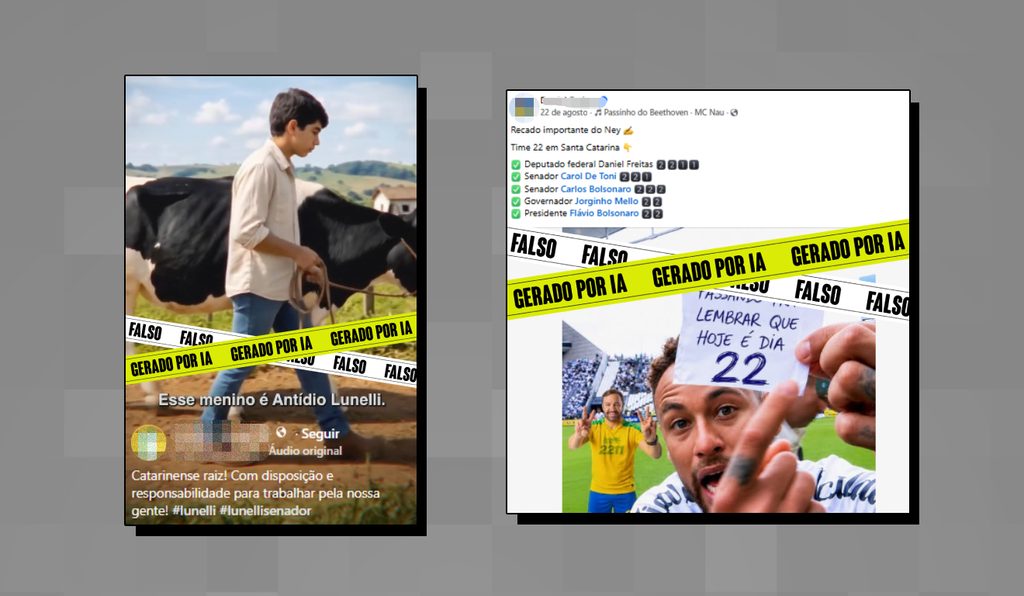
Below TSE’s guidelines, candidates and events should declare if marketing campaign supplies use AI. However Lupa found that just about half (47%) of artificial media originated from voters working exterior candidate disclosure guidelines.
Official candidate accounts comprised solely 24.5% of the analyzed AI content material, whereas 27% got here from nameless profiles.
Agência Lupa founder Cristina Tardáguila emphasised that this lack of disclosure exposes how simply guidelines are bypassed.
“What we have now seen thus far is no one cares about these guidelines. They don’t seem to be being actually revered. And the norms, they don’t seem to be being enforced,” Tardáguila instructed Rappler.
Selling candidates, attacking rivals
Lupa reported that 45% of analyzed AI content material aimed to advertise candidates in Brazil’s elections. Humorous or satirical posts comprised 27%, a class Tardáguila described as notably harmful for data integrity.
“As a fact-checker, you can not fact-check humor,” Tardáguila shared. Humor is taking part in a giant position right here as a result of what we’re seeing is that the politician’s supporters, in the event that they wish to play with a situation that accuses the opposite candidate of doing one thing, they only enchantment to humor.”

Direct assaults on candidates accounted for twenty-four.6% of posts, whereas almost 3% have been impartial voter guides.
President Lula of the Staff’ Social gathering (PT) was the politician most portrayed in artificial media. He was depicted in humorous contexts in 39% of his circumstances, whereas 34% have been private assaults and criticisms of his administration. Solely about 25% that includes Lula was promotional.

His opponent, Senator Bolsonaro, trailed in second. Not like Lula, 40% of AI content material that includes Bolsonaro aimed to spice up his marketing campaign. Humorous posts made up 28% of his circumstances, whereas 27% have been smear campaigns.
Past political figures, Lupa recognized journalists as deepfake targets, with artificial movies exhibiting information anchors reporting false survey polls or pretend election outcomes.

Previous ways now pushed by AI
Disinformation is just not new to Brazil.
In the course of the 2022 race, the Carter Heart documented disinformation networks focusing on the voting course of and candidates, with Lula bearing nearly all of the assaults.
Analysis by #ShePersisted and The Nerve in 2024 equally highlighted gender-based assaults in opposition to feminine political figures throughout Jair Bolsonaro’s time period.
What units 2026 aside is how AI bolstered these ways, triggering what Lupa’s preliminary VigIA report described as “an avalanche of content material generated by synthetic intelligence.”
Overlook recorded 64 election-related AI-generated posts printed between October 1 and 5, a compulsory marketing campaign blackout interval set by TSE earlier than the primary spherical.

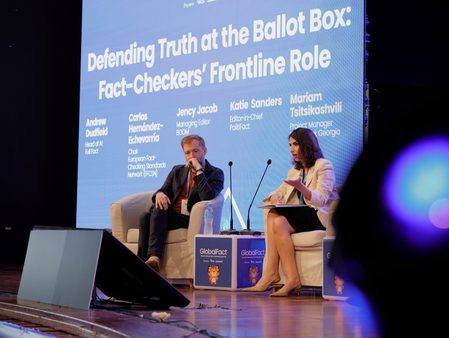
Tardáguila famous that whereas Lupa actively works with electoral courts to watch artificial content material and alert platforms, a problem stays.
“Now we have clear guidelines from the justice system, clear guidelines from the social media platforms. They’re being totally and actually disrespected by all stakeholders,” she acknowledged, including that the “greatest loophole is the dearth of (regulation) enforcement.”
Senator Flávio Bolsonaro led the primary spherical with 47% of the votes final October 4. However President Lula received his reelection after securing greater than 51% of the votes in Brazil’s runoff election on October 25.
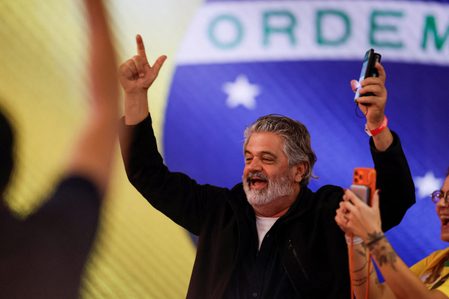
A warning for the Philippines’ upcoming polls
Brazil’s battle with AI political content material affords a crucial lesson for the Philippines, a rustic with an analogous digital risk panorama.

Investigations into world propaganda networks, reminiscent of Cambridge Analytica’s operations in each nations, present how microtargeting and coordinated campaigns take maintain not lengthy earlier than voters forged their ballots.
In response to those points and the rise of generative AI, the Fee on Elections issued Resolution No. 11064 to control AI use in campaigns, requiring transparency disclosures.
However findings from the fact-checking initiative Tsek.ph revealed that deepfakes have been nonetheless weaponized throughout the 2025 midterm elections to red-tag political figures and fabricate endorsements, alongside the unfold of shallowfakes. Rappler additionally observed that deepfakes turned a serious disinformation instrument within the Philippines final yr.

Brazil’s expertise provides a actuality verify for the Philippines: electoral rules are solely step one. With out enforcement and accountability, the rampant unfold of AI content material will proceed to bypass election guardrails, leaving voters to navigate an more and more manipulated digital panorama. – Rappler.com
https://weblog.passive-income4u.com/create-your-very-own-auto-publish-news-blog-site-and-earn-passive-income-in-just-4-easy-steps/
https://www.rappler.com/expertise/lessons-philippines-ai-content-surge-bypassed-brazil-election-rules-report/