LIBONA, Bukidnon (MindaNews / 25 November 2026) — Whereas frontline communities resist ecological degradation led to by large-scale mining actions, police and different state safety forces routinely implement compliance below the Philippine Mining Act of 1995. This conflict between state-sanctioned extraction and neighborhood survival raises basic ethical and authorized questions: Is nonviolent civil disobedience justified when statutory legal guidelines perpetuate environmental destruction? Can meta-legal ideas—reminiscent of human rights and ecological sustainability—legitimize mass protest when constructive legal guidelines protect harmful practices?
The Rising Anti-Mining Mass Protests
For grassroots advocates throughout the Philippine archipelago, the reply to the previous questions is an unequivocal YES! In Luzon, Indigenous peoples and native farmers in Kasibu and Dupax del Norte preserve entry barricades in opposition to mineral exploration, whereas communities alongside the Abra River contest dredging operations, and forest advocates throughout Palawan and the Sierra Madre oppose land conversion.
Within the Visayas, island communities on Sibuyan, Homonhon, and Manicani deploy human partitions, rallies, and authorized actions in opposition to nickel, bauxite, and chromite extraction, whereas Leyte farmers oppose magnetite iron-sand mining to safeguard agricultural lands.
In Mindanao, Indigenous teams within the Dinagat Islands and Davao Oriental mobilize in opposition to mining expansions to defend very important watersheds, whereas campaigns throughout Surigao del Norte and Surigao del Sur hyperlink nickel extraction to extreme marine air pollution, coastal erosion, and heightened local weather vulnerability.
The Possibility for Nonviolent Civil Disobedience
Jesuit Bishop Francisco Claver, former Bishop of Malaybalay, mirrored on this very choice within the context of political activism throughout martial regulation. Right here is an excerpt from his pastoral letter:(1)
“We reside below violence. And the communist urging is to counter this violence with violence—the identical form of violence, the violence that kills.
That is the place we as Christians differ most, I might assume, from Communists, even when we could also be one with them in our want to proper injustice, to uplift the downtrodden, to provide energy to the plenty. It isn’t that the Christian should keep away from in any respect prices armed violence. Underneath very restricted circumstances—as a final resort—violence might be ethical. That is bizarre Catholic instructing. Violence in self-defense, for example. And that self might be particular person. It may be collective too.
However as an equally bizarre technique of redressing wrongs I doubt violence is Christian. ‘Put your sword again in your scabbard’ (Matt 26:52). ‘Flip the opposite cheek’ (Matt 5:39). These are laborious sayings of Christ, however they do level, I imagine, to one thing that’s on the core of Christianity; not repaying evil with evil (cf. Rom 12:21). However does this imply, once we undergo violence, that we should meekly give in? Permit ourselves to be trampled upon? Haven’t any thought for our dignity as kids of the Father? Simply as long as we survive? I doubt that is Christian both. So what’s Christian?
Some act, I ought to assume, like David’s towards Saul—the violence of the meek. This isn’t only a good phrase, a intelligent paradox. For the motion it connotes comes from energy. It additionally comes from gentleness, the energy and gentleness of Christ.
The primary intent is to right an unjust regulation by opposing it, by disobeying it—nonviolently. (…) However is this sort of disobedience to regulation disruptive of the final order? It’s certainly. But when that very same order is predicated on unjust legal guidelines, it deserves to be disrupted exactly with the intention to set it proper once more—not violently until that had been the one approach, however peacefully. This implies—and right here we usher in a necessary facet of civil disobedience—residents who select the way in which of civil disobedience to protest what they in conscience imagine to be an unjust regulation have to be able to undergo the penalties imposed by a state for his or her disobedience.
That is the violence of the meek. Christ practiced it even unto Calvary. He violated the Sabbath regulation to right its unjust man-made prescriptions. He criticized public authorities overtly for his or her twisted interpretations of the regulation. He gathered the folks collectively in opposition to the needs of these in energy and spoke to them of the dominion that was to return. And for all this he was visited with violence. And the cost leveled at him? Subversion and insurrection.
‘The Lord put you in my energy, (…) however I might not increase my hand’ (1 Samuel 24:11). Do these phrases imply something to our dwelling of Christianity right now?”
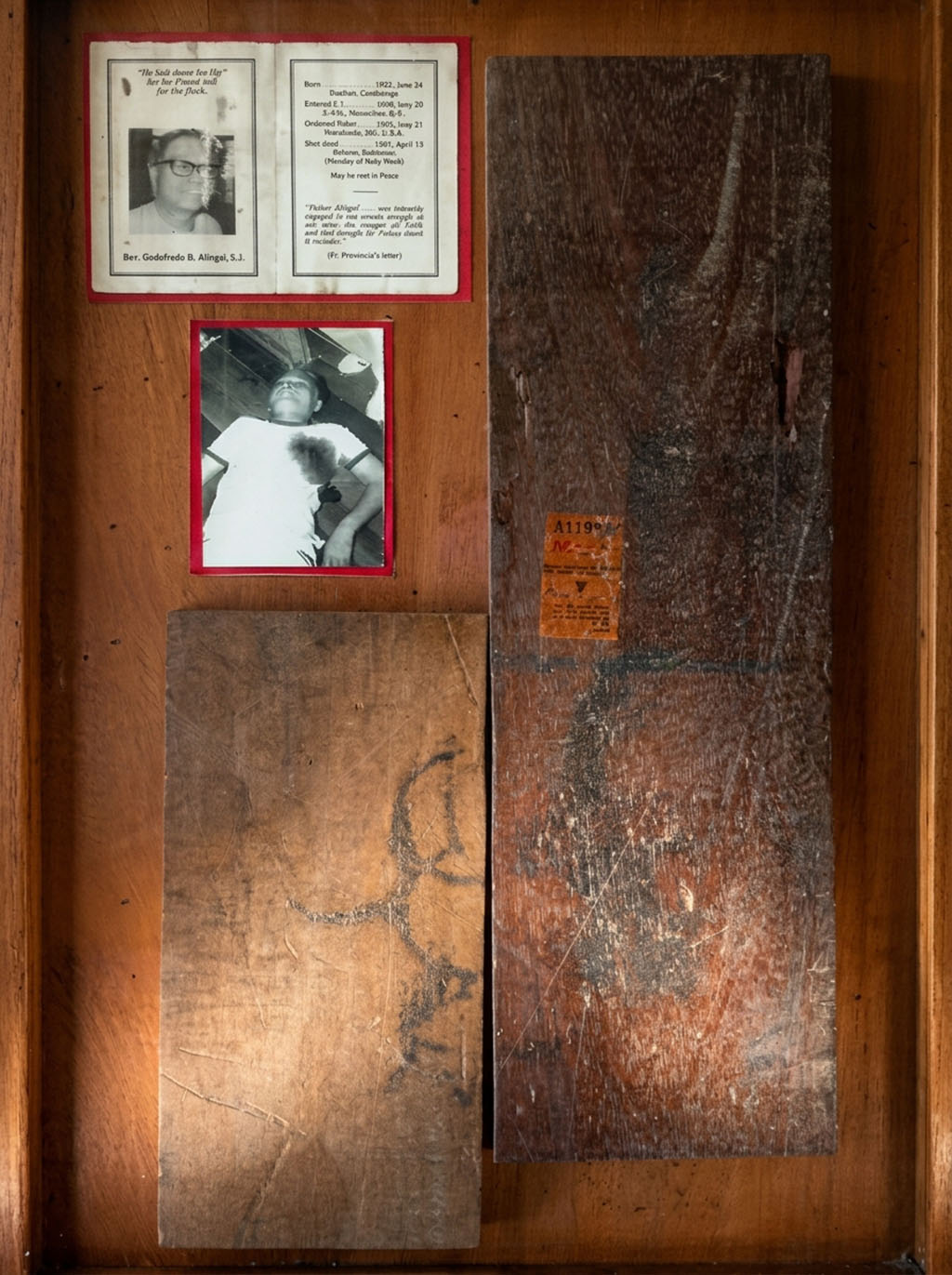
Fr. Godofredo Alingal, SJ, former parish priest of Kibawe, Bukidnon, was killed for embracing this Christian choice. Those that knew him recalled how he took the Church’s stance on social justice to coronary heart, swiftly translating it into each fiery preaching and shared motion with the native folks.(2) After his first dying threats, employed killers assassinated him on April 13, 1981.
In his funeral homily for Fr. Alingal, Bishop Claver emphasised that Fr. Alingal may solely have spared his life by abandoning his publish or turning a blind eye to surrounding injustices; as an alternative, he selected to remain and provides his life for his neighborhood as a real shepherd.(3)
Father Alingal devoted himself strictly to peaceable activism. His selections demonstrated that looking for justice doesn’t require bodily drive, aligning fully with the Prelature’s mission to reject violence from each state navy and rebel forces whereas repeatedly pursuing peace constructed on justice.
Opting Victimhood
In 1984, the Philippine bishops collectively adopted the Gospel preferrred of nonviolence articulated by Bishop Claver. Of their pastoral letter Let There Be Lifethey insisted that “a bloody revolution is unacceptable” and urged that “one other approach of bringing about drastic change have to be hunted for.” They affirmed that “the non-violence of Christ presents itself to us as the one acceptable reply.”(4)
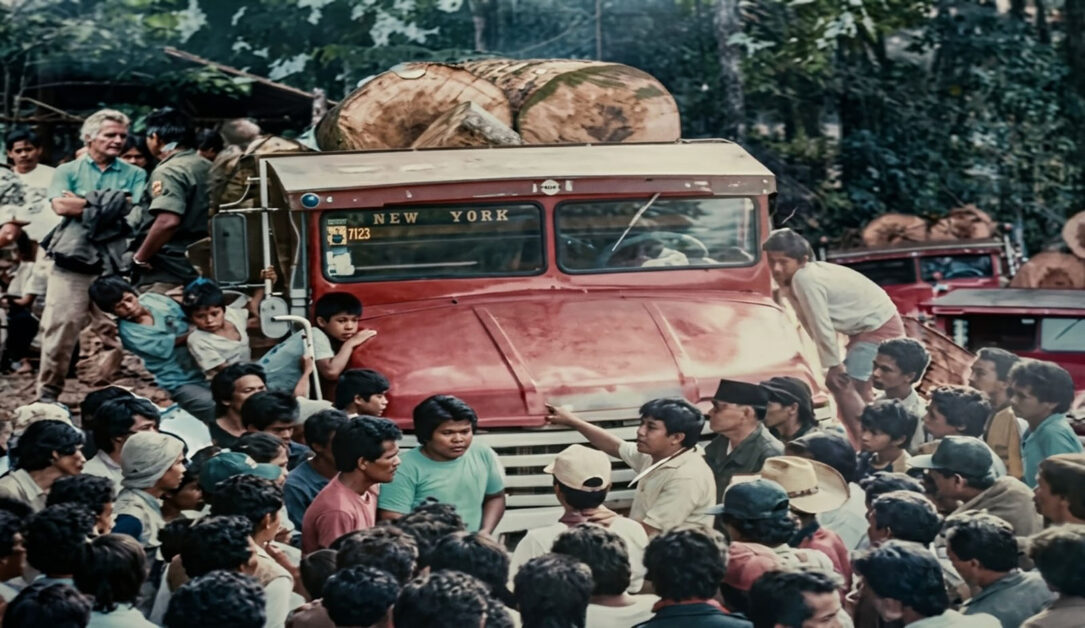
Beginning in 1987, parishioners from San Fernando within the Diocese of Malaybalay launched church-led protests that efficiently secured a Bukidnon-wide logging moratorium by 1990. To implement this order, the Division of Surroundings and Pure Assets (DENR) deputized then-Bishop (now Cardinal) Gaudencio B. Rosales together with 45 native monks and deacons as forest officers. This daring resistance provoked violent retaliation from unlawful logging operations, culminating within the assassination of Fr. Nery Lito ‘Neri’ Sator on October 14, 1991.
Regardless of intense strain to make use of drive to guard monks going through dying threats, Bishop Rosales selected the trail of nonviolent ecological wrestle. He firmly refused to endorse violent measures, whether or not in self-defense or to cease unlawful logging, arguing that retaliation would betray the legacy of the martyred Fr. Sator.
Bishop Rosales pressured that “violence and killings may cease the chopping of bushes for a short while; however the root reason for this situation of ecological destruction wouldn’t be solved.” As a substitute of urging retaliation, he reminded the devoted of their Christian vocation: “we’re at all times able to be harmed whereas we’re giving Christ to the folks. Victimhood is on the core of poverty which brings us to the very coronary heart of his Kingdom—Love.”(5)
Addressing Root Causes
Fathers Alingal and Sator represented the native Church’s sacred providing within the nonviolent wrestle. Grounded in Bishop Claver’s precept of the violence of the meek, their resistance to systemic injustice was no lawless insurrection, however a deliberate assertion of Christian dignity that accepted the price of martyrdom to rework unjust buildings.
Making use of Claver’s framework to ecological wrestle, Bishop Rosales resisted the pull of armed self-defense. In doing so, he honored the martyrdom of Fr. Neri Sator and refocused the motion on dismantling the structural roots of environmental devastation.
Collectively, their witness confirms that nonviolent resistance—grounded in divine love, sacrifice, and ethical resolve—stays the Church of Bukidnon’s enduring path to confront ecological devastation with out reproducing the very violence that threatens human life and nature.
For Christian activists, it’s crucial to confront ecologically harmful legal guidelines via nonviolent civil disobedience, settle for the authorized penalties, and dismantle systemic causes fairly than accept momentary aid.
(1) Francisco F. Claver, “The Violence of the Meek,” in The Stones Will Cry Out: Grassroots Pastorals (Maryknoll, NY: Orbis Books, 1978), 20-22.
(2) See Vincent Cullen, SJ, “Godofredo Alingal, SJ: A Man from Mindanao, A Quiet Man,” within the The Jesuit Bukidnon Mission District (no place and date of publication); obtainable from: https://jesuitbukidnonmission.org/fr-alingal (accessed: November 11, 2024).
(3) See Francisco Claver, SJ, “The Empty Tomb of Kibawe” (Malaybalay, Bukidnon: April 26, 1981); obtainable from: https://bukidnonnewstoday.wordpress.com/tag/fr-godofredo-alingal/ (Accessed: November 11, 2024).
(4) Catholic Bishops’ Convention of the Philippines (CBCP), Let There Be LifePastoral Letter, July 11, 1984.
(5) Gaudencio Rosales, Fr. Neri Satur and the Church He Died For (Quezon Metropolis: Claretian Publications, 1997), 16, 104.
——————
(MindaViews is the opinion part of MindaNews. Fr. Reynaldo D. Raluto is the parish priest of Jesus Nazareno Parish in Libona, Bukidnon. He’s the writer of the book ‘Integral Ministry: Doing Ecological Theology and Advocacy in Gentle of Laudato Si,’ printed in September 2025 by the Mindanao Institute of Journalism.)
https://weblog.passive-income4u.com/create-your-very-own-auto-publish-news-blog-site-and-earn-passive-income-in-just-4-easy-steps/
https://mindanews.com/mindaviews/2026/11/integral-ecology-when-statutory-laws-perpetuate-environmental-harm/