MATI CITY, Davao Oriental (MindaNews / 28 November 2026) — The same old meet-up amongst pals in Mati Metropolis might not contain in search of a bar or splitting the price of a bottle of liquor. More and more, it means discovering a espresso store, ordering a drink, and spending hours catching up over a cup of espresso.
For a lot of younger individuals, espresso has grow to be greater than a beverage. It has grow to be a part of their social lives, a shared curiosity, and, for some, even a career.
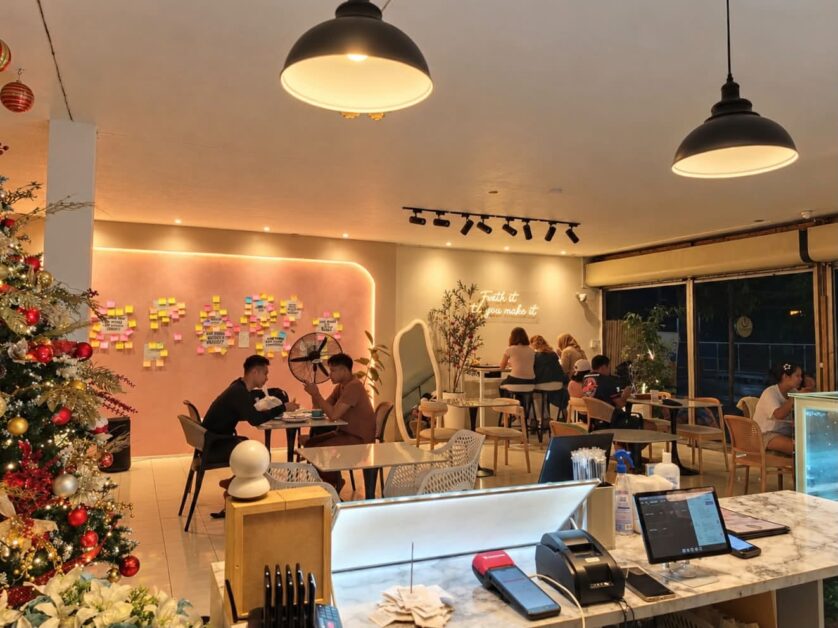
Mati’s espresso scene has regularly expanded, with impartial cafés, established espresso retailers, and pop-up companies introducing residents to completely different espresso varieties and experiences.
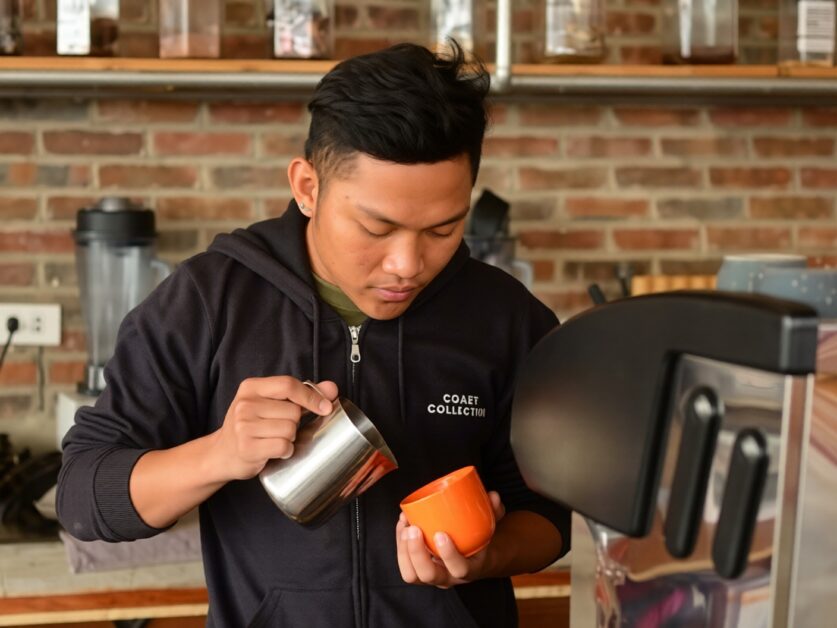
For Jeffrey Cosare, 28, a barista, this improvement turned noticeable as early as 2018, when established espresso retailers began gaining a presence within the metropolis.
“Manner again 2018, there was a legit espresso store right here in Mati, that is once I realized that the espresso group would develop,” he stated.
The expansion turned extra evident after the pandemic, when pop-up espresso companies started rising and extra institutions opened. Cosare seen that these companies weren’t solely giving residents extra selections but additionally altering how younger individuals spent their free time.
“Each month, daghan naga-pop up nga espresso retailers sa Mati. Nag-change pud ang passion sa mga Gen Z, na-switch from alak to espresso retailers (Extra espresso retailers had been opening in Mati nearly each month. I additionally seen a change within the passion of Gen Z, it switched from consuming alcohol to spending time in espresso retailers),” he stated.
For Cosare, the rising variety of institutions has additionally created alternatives for individuals who have turned their curiosity in espresso right into a career. It has allowed him to fulfill fellow baristas and join with individuals who share the identical appreciation for the craft.
“Nindot jud siya nga naay espresso retailers in Mati. Daghan na kog maila nga espresso fans ug espresso lovers (It’s very nice to see espresso retailers in Mati. I’ve gotten to know extra espresso fans and low lovers),” he stated.
Past the rising variety of institutions, Cosare sees potential for stronger connections between espresso companies and native farmers. He noticed that some farmers have begun asking in regards to the kinds of beans utilized by espresso retailers and conducting their very own analysis.
“Amongst beans kay gikan Brazil, and naa nay mga farmers nga mangutana kung unsay selection sa amongst beans. Naga-conduct pud sila ug analysis about it (The beans we use come from Brazil, and a few farmers have began asking about their selection. They’re additionally conducting their very own analysis),” he shared.
Though the beans utilized by his institution usually are not domestically produced, he sees the farmers’ rising curiosity as an encouraging improvement. It additionally factors to a possibility for town’s espresso companies and native agricultural producers to grow to be extra related as demand for espresso continues to develop.
For 23-year-old Aivan Sumondong, a buyer and low fanatic who beforehand labored within the meals trade, Mati’s espresso tradition is one thing price sharing with individuals exterior town.
He considers affordability one in every of its strongest qualities, alongside the number of espresso choices, domestically produced choices, welcoming institutions, and approachable baristas.
“Very inexpensive siya. Daghan ug varieties sa espresso namo diri, ang uban kay domestically produced pod. Very accommodating ang mga baristas, and daghan kaayo ka maistorya nga makahatag ug data about espresso (It’s very inexpensive. We have now completely different espresso varieties right here, a few of that are domestically produced. The baristas are additionally accommodating, and there are numerous you’ll be able to speak to who can share their data about espresso),” Sumondong stated.
His appreciation for espresso, nonetheless, didn’t start as a critical curiosity. He admitted that he initially received into it due to the social enchantment surrounding espresso tradition.
“Really, my ardour for espresso was just for clout. Till I seen that I do know many legit espresso fans. That is once I realized that Mati has a espresso group (Really, I initially received into espresso only for the clout. However ultimately, I met extra real espresso fans. That is once I realized that Mati actually does have a espresso group),” he stated.
One exercise that displays this rising curiosity is the annual espresso crawl. Mati Metropolis Espresso Crawl is a neighborhood café-hopping occasion in Mati Metropolis, Davao Oriental, the place contributors go to taking part espresso retailers, accumulate stamps or stickers with a “Espresso Crawl Passport,” and earn rewards or raffle entries whereas supporting native espresso farmers within the province.
By bringing consideration to taking part cafés, the exercise offers prospects a possibility to discover completely different espresso institutions and uncover what every has to supply. It additionally supplies companies with an opportunity to achieve extra prospects and grow to be a part of a wider group of espresso fans.
For Sumondong, the espresso crawl is greater than a possibility to attempt completely different drinks. It reveals how town’s espresso scene has developed and the way the exercise can create connections amongst prospects, enterprise homeowners, and fellow espresso lovers.
The change can also be evident in how younger individuals spend time with their pals. Sumondong recalled how his personal circle used to fulfill in bars, however their regular gatherings have since shifted to espresso retailers and pop-up cubicles.
“Earlier than, we used to fulfill up in bars kay dili pa man gud uso ang kape-kape (as a result of espresso tradition wasn’t as well-liked). Karon (Now), most of our meet-ups are in espresso retailers or sa mga pop-up espresso cubicles,” he stated.
He considers the change a optimistic improvement, saying that spending time over espresso provides younger individuals one other method to socialize.
“It is good as a result of as a substitute of a hangover, you’ve got extra power to go on together with your day the subsequent morning,” he added.
A nationwide dialogue on espresso tax
Espresso’s rising reputation amongst youthful Filipinos just lately entered the nationwide dialogue on taxation. Throughout a November 25 Home committee on methods and means listening to, Olivia Limpe-Aw, Distilled Spirits Affiliation of the Philippines president, prompt taxing espresso as a substitute of additional growing excise taxes on alcoholic drinks, citing the shift in client preferences amongst Era Z.
Nevertheless, committee chairperson Miro Quimbo rejected the suggestion, saying the proposal wouldn’t be pursued because of its potential impression on espresso farmers and small companies (ABS-CBN Information, November 26–27, 2026; GMA Information, November 27, 2026).
Towards this backdrop, each Cosare and Sumondong expressed considerations about the potential of extra taxes on espresso companies, which they imagine may have an effect on institutions and prospects alike.
For Cosare, extra prices may make it tougher for companies to keep up inexpensive costs, notably for college kids and younger individuals who commonly go to espresso retailers.
Sumondong shares the priority, particularly for small and newly established companies. He believes greater prices may discourage prospects from commonly shopping for espresso and make it tougher for newer institutions to remain afloat.
“I disagree with the espresso tax as a result of for positive, the institutions right here in Mati will battle, particularly those who have simply began. Every thing is already costly, and if there’s a tax, there’s a better chance that everybody will return to clubbing as a result of it’s cheaper (I disagree with the espresso tax as a result of institutions right here in Mati would certainly battle, particularly those who have solely just lately began. Every thing is already costly, and if one other tax is imposed, individuals may return to clubbing as a result of it may grow to be the cheaper choice),” he stated.
He illustrated his concern by evaluating how teams of pals share bills when consuming and shopping for espresso.
“You’ll be able to contribute and cut up for a bottle of liquor, however you’ll be able to’t contribute cash for a 12-ounce cup of espresso,” he added.
For each Cosare and Sumondong, affordability stays an essential a part of what makes Mati’s espresso scene accessible. Extra prices handed on to prospects may discourage common visits and place additional stress on small companies.
As extra espresso retailers open and extra individuals uncover their curiosity in espresso, Mati’s espresso tradition continues to take form. It has created alternatives for aspiring baristas, inspired younger individuals to discover new social areas, and opened conversations in regards to the potential of native espresso manufacturing.
What started for some as a passing development has grow to be a real curiosity, a career, and a method to join with others.
In Mati, espresso is turning into greater than only a drink. It’s bringing individuals collectively, creating alternatives, and giving a rising group one thing to share, one cup at a time. (Norielle Tonong / MindaNews)
https://weblog.passive-income4u.com/create-your-very-own-auto-publish-news-blog-site-and-earn-passive-income-in-just-4-easy-steps/
https://mindanews.com/top-stories/2026/11/brewing-connections-one-cup-at-a-time/