https://weblog.passive-income4u.com/create-your-very-own-auto-publish-news-blog-site-and-earn-passive-income-in-just-4-easy-steps/
Vital insights ✨
|
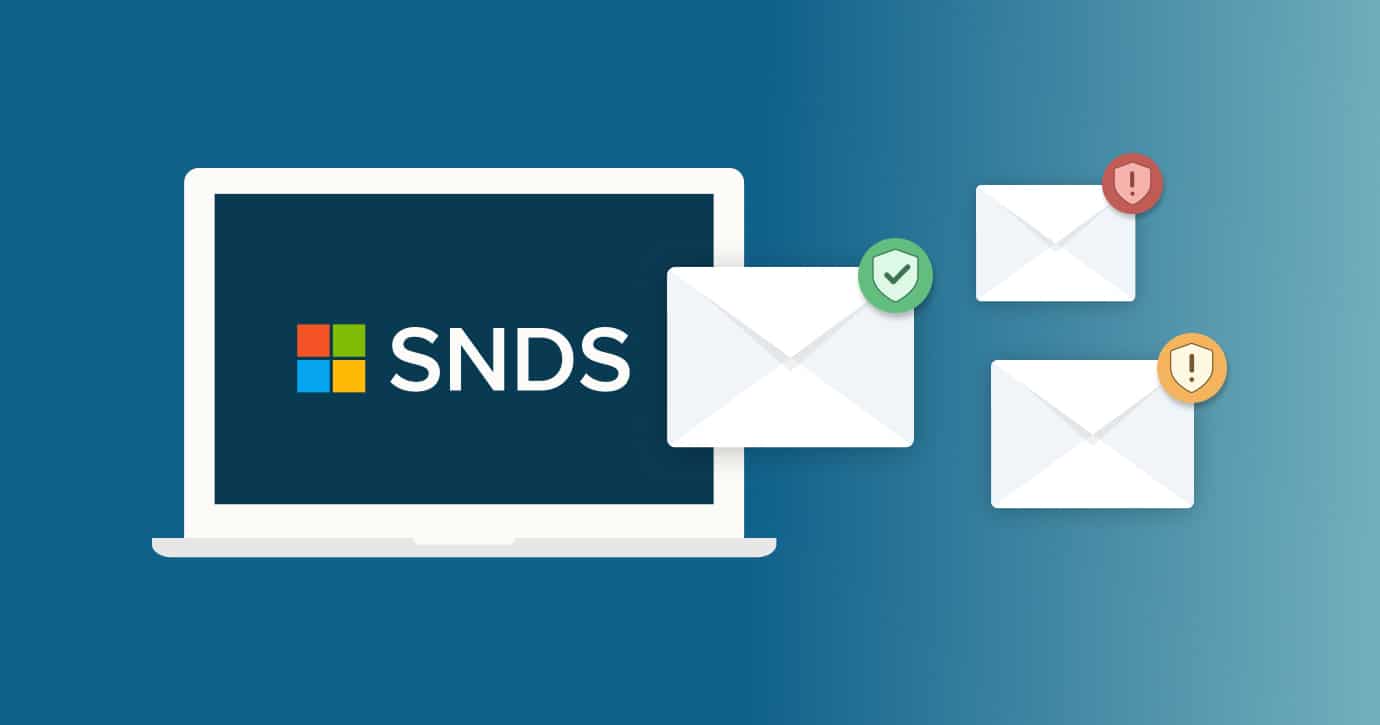
Microsoft’s Good Community Knowledge Providers (SNDS) is a free postmaster software that reveals the efficiency of your sending IPs in Outlook, Hotmail and Reside – greater than 350 million accounts. In contrast to Google Postmaster Instruments (domain-based), SNDS is IP-based: you will need to personal the IPs you ship from to register.
SNDS shows ship volumes, spam entice hits, filter standing and grievance charges. Take into account it a testimonial from Microsoft. It does not repair something; It tells you the place to look.
It could sound advanced, but it surely does not should be. Here’s a fast overview of utilization and adjustments in 2026.
Desk of contents
Tips on how to use SNDS knowledge
Most senders solely verify SNDS when one thing breaks. As an alternative, use it proactively.
Monitor the filter standing each day. Inexperienced is wholesome. Yellow is a warning. Pink means the e-mail is prone to find yourself in junk or blocked. Do not look ahead to purple!
Deal with spam entice hits as pressing. Even some point out hygiene issues. Instantly overview seize and suppression practices.
Observe spam grievance charges over time. A spike usually happens in SNDS days earlier than it reveals up in your ESP. Examine traits with present campaigns.
Mix it together with your ESP’s reviews. SNDS reveals what Microsoft sees; Your ESP reveals what you’ve despatched. In case your ESP reviews robust supply however SNDS reveals yellow, the mail could find yourself in spam.
What has modified in 2026
The underlying knowledge SNDS interfaces are the identical, however the supply mechanisms have modified sufficient to disrupt workflows that groups had beforehand run on autopilot. 4 issues have modified in 2026:
- Community entry administration now requires authentication. Because the finish of 2025, approving or denying IP ranges requires authentication.
- SNDS moved to a brand new URL on June 8, 2026.The previous portal could redirect briefly, however treats all hard-coded URLs as expired. IP standing and IP knowledge reviews have been moved to a REST API; Automated CSV hyperlinks now expire after 30 days.
- There may be now a REST API with OAuth 2.0. It helps elective date and IPv4 filtering and is the higher long-term strategy to retrieve SNDS knowledge programmatically.
- JMRP is now ARF standardized and privateness restricted. Grievance reviews not include the total physique of the message, solely chosen headers. Downloading grievance examples might be discontinued. All JMRP feeds not related to an SNDS account have been eliminated.
Why the brand new SNDS adjustments break monitoring
Points with the sender’s repute emerge slowly – usually days after the harm has already collected. SNDS helps you detect issues earlier, however solely when the information really reaches you. For instance, an automatic 30-day hyperlink that expires mid-quarter and returns errors might be simple to overlook: your reviews merely cease updating whereas all the things appears regular. The identical goes for scripts that also level to the previous portal, or for JMRP parsers that anticipate a message physique that not arrives.
Constructed-in detection – flag zero-line downloads, impending hyperlink expiration, and surprising parse outcomes – so gaps in protection don’t go unnoticed.
What ought to be checked now
Right here are some things it is best to begin checking immediately to make sure SNDS is working and the information is actionable.
- Affirm that the Microsoft account behind SNDS is energetic and belongs to a present workforce member.
- Test IP protection – add energetic broadcast IPs and take away areas you not management.
- Stock each script, cron job, and dashboard, pull SNDS CSV knowledge, and tag all the things through an automatic entry hyperlink.
- Doc hyperlink move: Who owns it, the place is it used, how is an error detected?
- Replace JMRP processing to replicate complaints from headers quite than message our bodies.
- Migrate to the OAuth 2.0 REST API as your long-term pull mechanism.
Updating your grievance task
With out message our bodies, grievance traceability now depends solely on headers and sturdy metadata. Ensure your system can hyperlink a grievance to its supply utilizing:
- Message ID, Marketing campaign ID / Buyer ID
- Sending IP and mail stream
- DKIM selector/return path area
- Authentication outcomes/Acquired SPF
If you cannot hint a grievance again to a marketing campaign or ship stream, your response to abuse will decelerate – and that is most essential for ESPs and anybody who sends throughout a number of manufacturers.
SNDS is a sign, not the entire image
SNDS reveals how Microsoft sees your IPs – not why they see it that approach. To find out the trigger, you want extra: DMARC monitoring to detect authentication and alignment errors, SPF/DKIM well being checks for configuration gaps, and blocklist monitoring to detect repute flags on different networks. SNDS is your early warning from Microsoft’s aspect; The remainder of your pile tells you the place to dig.
The tip end result
The 2026 adjustments are a very good cause to ensure somebody in your workforce really owns SNDS – and that possession means greater than logging in when one thing goes mistaken. Evaluate your entry, replace the workflows that pull knowledge from it, get your JMRP mapping in form, and guarantee there’s a clear path from sign to motion. Outlook is just too massive an viewers to go away unattended.
On the lookout for extra Microsoft deliverability suggestions? Have a look at the validity 2026 E mail Deliverability Benchmark Report.
Unlock the Inbox Benchmarks for 2026 now
Obtain Validity’s 2026 E mail Deliverability Benchmark Report and see how your inbox placement stacks up earlier than your subsequent ship.
Get the report 
https://weblog.passive-income4u.com/create-your-very-own-auto-publish-news-blog-site-and-earn-passive-income-in-just-4-easy-steps/