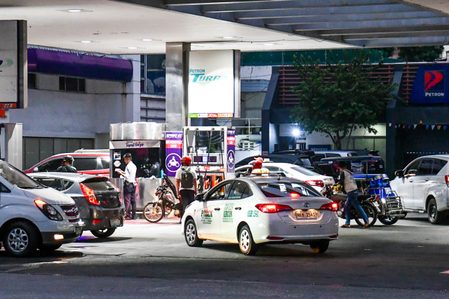
In instances of rising costs and financial uncertainty, the stress on authorities to behave is instant—and intense. Proposals to droop gas excise taxes or cut back the value-added tax (VAT) are gaining traction as fast options to ease the burden on Filipino households.
However the actual query isn’t whether or not we must always act—it’s how we must always act.
Are broad tax cuts the simplest method to help the center class? Or do they threat weakening the very system that sustains long-term development and public providers?
On this week’s particular Ask the Tax Whizwe take a more in-depth take a look at what actually works—and what solely seems to.
Will suspending gas taxes or chopping VAT meaningfully assist the center class?
Not as a lot as many assume—and the trade-offs are actual, instant, and expensive.
Consumption-based tax cuts like gas excise suspension or a VAT discount are blunt devices. They reward spending—so naturally, those that spend extra profit extra. Information persistently present that higher-income households eat a disproportionate share of gas and items, which means they seize the bigger share of the aid. The center class, in the meantime, will get solely marginal good points.
However the greater difficulty is fiscal house.
In response to the Division of Finance, a VAT lower from 12% to 10% may end in an estimated ₱339 billion in misplaced income yearly. That’s not a small quantity—it’s equal to funding for vital public providers: infrastructure, healthcare, schooling, and focused social safety packages.
Gasoline excise tax suspension additionally comes at a price—starting from tens of billions to over ₱300 billion yearly relying on scope and length. These are assets that the federal government both has to chop, borrow, or reallocate—creating long-term fiscal stress.
Structurally, the Philippines doesn’t have a VAT price drawback alone—it has a VAT effectivity drawback. Whereas our VAT price is among the many highest in ASEAN at 12%, assortment effectivity is just round 35–40%, in comparison with a regional common of fifty–60%. That hole displays leakages, exemptions, and weak enforcement.
So chopping the speed with out fixing the system is like pouring water right into a leaking bucket.
In instances of disaster, coverage should be exact—not common. In any other case, we threat sacrificing long-term stability for short-term aid that doesn’t meaningfully attain those that want it most.
If not broad tax cuts, what insurance policies will instantly and successfully help the center class?
Deal with insurance policies that enhance actual revenue, shield money movement, and repair the system—not blunt, across-the-board tax cuts.
First, increase the non-public revenue tax exemption. Regularly enhance the brink from ₱250,000 immediately to ₱400,000 this yr, ₱800,000 subsequent yr, and in the end make the primary ₱1 million revenue tax-free by 2028. This instantly will increase take-home pay—focused, progressive, and instantly felt by the center class.
Second, present liquidity—not simply aid. Many households and MSMEs will not be bancrupt; they’re cash-constrained. Non permanent measures like decrease withholding taxes, entry to low- or zero-interest loans from SSS, GSIS, and Pag-IBIG, and time-bound mortgage moratoriums can stabilize consumption and enterprise exercise with out completely eroding authorities revenues.
On the identical time, shield revenue by lowering out-of-pocket bills. Strengthening advantages beneath PhilHealth—together with annual check-ups, psychological well being help, and protection for frequent work- and weather-related sicknesses—helps forestall revenue shocks, reduces absenteeism, and improves productiveness.
Third, make tax administration responsive. Enable installment funds, decreased penalties, and versatile compliance during times of financial stress. This improves compliance whereas stopping monetary misery amongst in any other case viable taxpayers.
However the deeper difficulty is equity. Right now, round 82% of private revenue tax collections come from compensation earners, whereas professionals contribute solely 4–5%. The center class is already carrying the system.
If we’re critical about reform, we should broaden the tax base and implement the regulation pretty:
- Undertake the OECD World Minimal Tax to make sure massive multinationals pay their fair proportion
- Raise financial institution secrecy for tax functions—as a result of with out entry to monetary information, enforcement is blind. If we’re critical about reform, we should go after large-scale tax evasion on the high—from corrupt politicians and political dynasties to their household companies, marketing campaign donors, authorities contractors, and the networks of smugglers and cash launderers, together with their attorneys and accountants who make these schemes attainable.
- Examine unexplained wealth the place way of life doesn’t match declared revenue
- Modernize BIR and Customs right into a Nationwide Income Authority, utilizing information integration and risk-based auditing
These will not be giveaways—they’re structural, data-driven reforms.
If we need to actually empower the center class: Enhance their revenue, ease their burden, and ensure everybody else pays their fair proportion.
Can VAT be decreased responsibly—and if that’s the case, beneath what circumstances?
Sure—however provided that VAT reform comes first.
A discount from 12% to 10% could also be thought-about, however based mostly on estimates from the Division of Finance, it creates a ₱339 billion annual income hole. With out structural reforms, that hole interprets to larger debt or decreased public providers.
The true difficulty is not only the speed—it’s leakages, inefficiency, and poorly focused advantages. The Philippines collects solely 35–40% VAT effectivity versus the 50–60% ASEAN common, whereas forgoing over ₱500 billion yearly in VAT exemptions—lots of that are liable to abuse and disproportionately profit higher-income teams.
For a VAT discount to be accountable, reforms should be clear and simultaneous:
- Absolutely digitalize tax administration by means of nationwide e-invoicing and real-time monitoring to enhance compliance and confirm authentic claims
- Implement at scale, specializing in massive VAT leakages and underreporting the place income impression is highest
- Rationalize exemptions, limiting them to important items and providers whereas eradicating leak-prone provisions
- Substitute inefficient tax perks with focused help: as a substitute of blanket VAT exemptions and reductions, allocate direct finances for pensions of senior residents and PWDs, and broaden free healthcare protection, making certain advantages go to those that actually want them
The worldwide expertise is obvious: chopping VAT with out fixing compliance and administration weakens revenues with out delivering proportional financial profit.
The coverage alternative isn’t between serving to the center class and defending fiscal stability. The true problem is designing reforms that obtain each.
Broad tax cuts could also be politically engaging, however they’re blunt devices. Focused revenue aid, improved liquidity, and structural tax reforms supply a extra sustainable path.
Empowering the center class requires self-discipline—not simply in spending, however in policy-making.
As a result of in the long run, a stronger economic system is constructed not on momentary aid, however on a good, environment friendly, and accountable system that works for everybody. – Rappler.com
https://weblog.passive-income4u.com/create-your-very-own-auto-publish-news-blog-site-and-earn-passive-income-in-just-4-easy-steps/
https://www.rappler.com/enterprise/ask-the-tax-whiz-cut-or-fix-system-empower-middle-class/