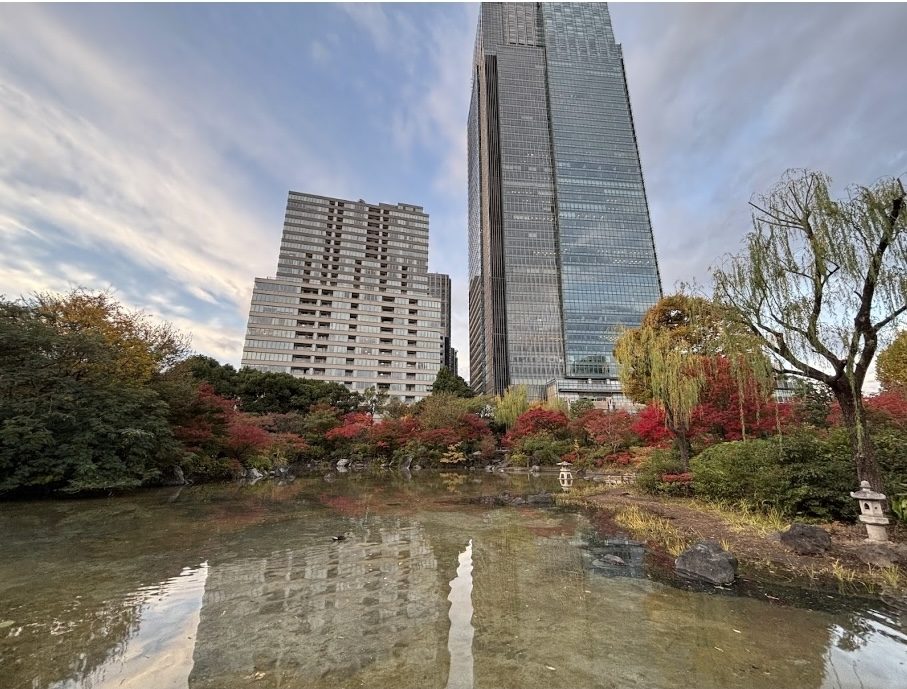
TOKYO, Japan – Each morning at 6:30, because the trains start shaking Tokyo awake, I slip out of our condominium and stroll to a close-by park. What began as a method to clear my head from the mountain of authorized work ready on my desk slowly was one thing else. Across the giant man-made pond, a small group of aged neighbors gathers every morning for Radio TaisoJapan’s radio train routine. They transfer in sync to the outdated piano melody taking part in softly from a cell phone speaker—some with good kind, others wobbling barely, all of them smiling via it.
The group first got here collectively throughout the pandemic, when folks have been determined for routine and human contact. Most are of their seventies now. Our oldest member, Jun, turns 92 this 12 months. Many spent their youthful years as lecturers, civil servants, firm administrators, or enterprise house owners—the sort of people that quietly helped construct postwar Japan. And regardless of their age, they present up each morning with a steadiness that’s troublesome to not admire.
At first, I stayed on the again, copying their actions and making an attempt to not stand out. However over time, the routine itself dissolved the space between us. Nods grew to become smiles. Smiles grew to become brief conversations between stretches. I used to be invited to come back ahead and be part of the group. Earlier than lengthy, I not felt like an outsider observing the group and felt like a part of it.
Sooner or later, one of many members of our little Radio Taiso gang casually talked about that one other common within the group was Nakatani Gen. I nodded politely however didn’t assume a lot of it on the time. Within the park, he was merely one other older gentleman doing stretches beside me.
Then one night, whereas watching the information, I almost dropped my dinner after I noticed Nakatani-san on tv in a darkish swimsuit, formally introduced as soon as once more as Japan’s then-defense minister. The identical man who did facet bends with us each morning was now discussing nationwide safety and regional protection technique earlier than all the nation.
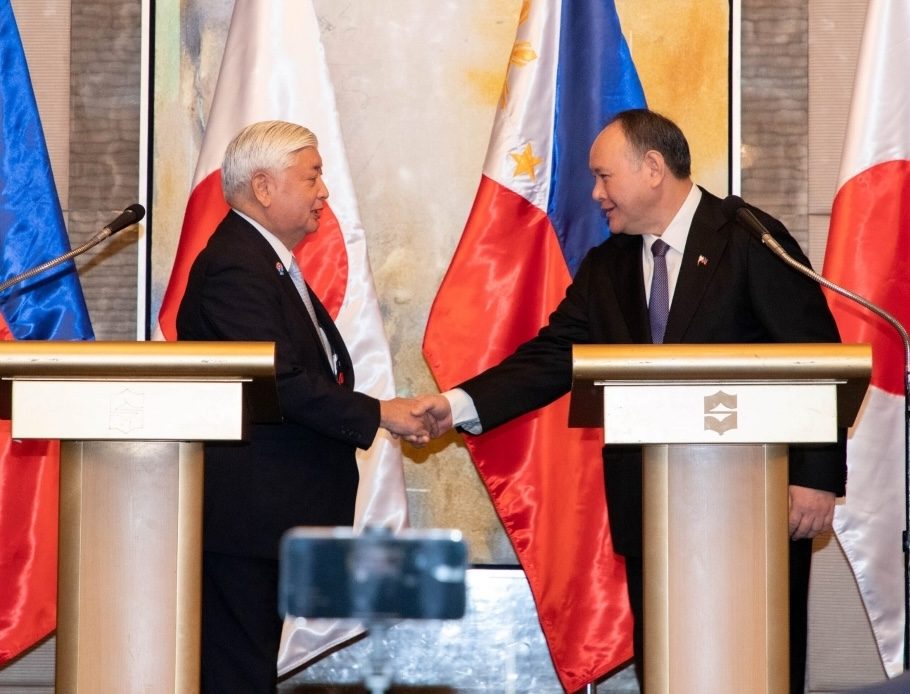
The second felt unusually grounding. Within the park, he was merely one other neighbor stretching beside the pond. On display screen, he represented the equipment of state energy.
The expertise jogged my memory that relationships between international locations will not be constructed solely in convention rooms, protection ministries, or official ceremonies. Extra usually, they start quietly—in parks, school rooms, workplaces, and neighborhoods, within the small on a regular basis moments the place folks slowly cease feeling like strangers to one another.
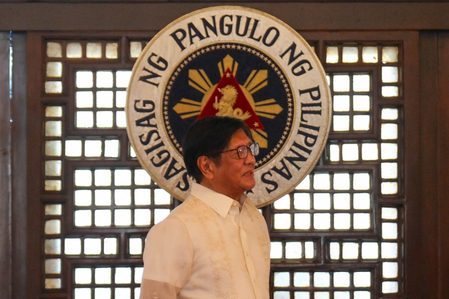
That realization has stayed with me as Tokyo prepares for one of many greatest diplomatic moments of the 12 months: the state visit of Ferdinand Marcos Jr. and First Woman Liza Araneta-Marcos to mark 70 years of normalized Philippines–Japan relations. The headlines are understandably targeted on geopolitics: maritime safety; protection cooperation; regional tensions; superior radar methods and missile expertise.
However after I take into consideration the connection between Japan and the Philippines, I hold returning to that small Radio Taiso circle beside the pond.
As a result of in some ways, the identical quiet spirit I see there each morning is what now underpins the broader partnership between our international locations. The belief didn’t seem in a single day. It was constructed slowly throughout a long time of migration, alternate, work, friendship, and shared routines. The political agreements making headlines at the moment are, in some ways, merely the formal expression of relationships bizarre folks have already been constructing for years.
Earlier, President Marcos famous that each international locations are dealing with comparable pressures in regional waters. The shift towards nearer protection cooperation is already seen. Japan participated totally within the recent Balikatan exercisesand earlier this 12 months each governments signed major defense agreements geared toward deepening safety ties. Officers say the state go to will additional strengthen cooperation on maritime safety and protection tools.
However the relationship is not outlined by protection alone.
New bilateral pillars
Energy security is rising as one other main pillar. The conferences in Tokyo come shortly after the ASEAN Summit in Cebuthe place Manila expressed curiosity in Japan’s proposed $10 billion POWERR Asia initiative, a regional plan designed to assist Asian economies strengthen energy reserves whereas transitioning towards renewable power.
And past authorities coverage, the financial relationship is changing into more and more seen in on a regular basis life. Earlier this 12 months, the Philippine-led resort platform Hotel101 topped off its 482-room improvement in Niseko, one among Japan’s best resort locations. When it opens later this 12 months, it can stand as a visual image of how the Filipino presence in Japan is altering. We’re no longer defined solely by labor migration. More and more, Filipinos are exporting concepts, manufacturers, capital, and enterprise fashions into Japan itself. (READ: (BizSights) Why we should be proud of Injap Sia and Tony Tan Caktiong’s latest milestone)
The distinction turns into clearer when seen towards historical past.
Within the years instantly after the struggle, the Philippines was amongst Asia’s wealthiest international locations. Manila even provided scholarships to Japanese college students, inviting them to review on the College of the Philippines. Then the tides shifted. Japan surged forward economically whereas the Philippines struggled via a long time of instability. For a few years, Filipinos in Japan have been seen via a slim lens—short-term employees, entertainersor migrants anticipated to mix quietly into the background. (READ: Philippines is in the heart: A Japanese Filipinologist writes a book on the import of Magellan’s voyage)
That picture is slowly altering.
Japan finds itself caught in a fragile balancing act. Whereas an getting old demographic forces the nation to compete globally for expertise and create extra space for long-term overseas residents, the federal government has concurrently tightened immigration guidelines, balancing financial necessity towards deep-seated warning. But, even inside this rigidity, Filipinos in Tokyo are rewriting the narrative—shifting previous outdated limitations to turn into more and more seen throughout each sector of society.
As a lawyer working between each international locations, I see this shift each day. The authorized wants of the Filipino group have turn into much more subtle than they as soon as have been. We’re not dealing solely with employment contracts and remittances. Now the conversations contain company governance, mental property, actual property, and cross-border investments. Filipinos are founding firms in Osaka, main expertise groups in Shibuya, instructing at universities, and advising multinational Japanese corporations in Tokyo.

Nonetheless, social acceptance doesn’t evolve as shortly as economics or legislation. Stereotypes hardly ever disappear in a single day. The success of some professionals doesn’t routinely erase a long time of assumptions. In some ways, authorized and financial equality are shifting sooner than cultural acceptance. The connection between our international locations has matured enormously however constructing a society the place everybody genuinely feels they belong stays a piece in progress.
Rising collectively
What offers me hope is the following technology.
The bilingual kids of the diaspora and younger Filipino professionals in Japan transfer comfortably between cultures in a approach earlier generations usually couldn’t. They don’t see themselves as caught between two identities and see fluency in each worlds as a bonus. Just lately, a younger Filipino tech man from Yokohama advised me over espresso, “We’re not right here simply to adapt to Japan anymore. We’re right here to assist construct its future.”
So when President Marcos meets the Filipino group throughout this state go to, he is not going to merely be chatting with homesick employees longing to return residence. He can be chatting with a group that has turn into more and more rooted, assured, and invested in Japan’s future.
And maybe that’s the actual story of this second between Japan and the Philippines—not solely the state go to, the protection agreements, or the headlines that can fade inside days, however the quieter work occurring beneath all of it. The affected person work of communities studying the right way to dwell beside each other.
I feel once more about my mornings within the park, shifting in imperfect rhythm beside neighbors who as soon as lived via a really totally different Japan. The solar rises slowly over the timber. The music crackles softly via the speakerphone. For a couple of minutes, we’re merely folks sharing the identical house.
If our two international locations can proceed constructing their future in that very same spirit: regular, humble, and facet by facet, then maybe the following technology will inherit not a relationship outlined by historical past’s wounds, however one formed by the quieter certainty that communities, over time, can select to develop collectively. – Rappler.com
Ricky Aringo Sabornay is a cross-border lawyer who strikes between the Philippines and Japan, serving to folks navigate not simply totally different authorized methods, however alternative ways of pondering. He runs Sabornay Lawa member agency of Uryu & Itogathe place his work sits on the intersection of two authorized methods and two cultures that don’t all the time converse the identical language. Join with him on LinkedIn.


https://weblog.passive-income4u.com/create-your-very-own-auto-publish-news-blog-site-and-earn-passive-income-in-just-4-easy-steps/
https://www.rappler.com/voices/thought-leaders/between-islands-why-marcos-state-visit-japan-anchored-trust-may-2026/