Cooks within the glitzy metropolis are adapting their menus, with some turning to extra regional or available meals, or providing fewer dishes
DUBAI, UAE – Dubai chef Shaw Lash at Mexican restaurant Lila Molino flies in her avocados and tomatillos, small, tart inexperienced fruits native to Central America which are a staple of Mexican delicacies and key for her colourful and spicy dishes.
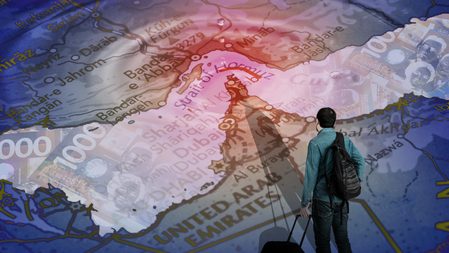
Now the two-month-old war in Iran is making such substances more durable to supply and costlier, Lash and different cooks stated, because the Gulf grapples with the closure of the Strait of Hormuz sea route and spiking jet gasoline costs push up air freight prices.
Lash has scaled again manufacturing, minimize her payroll, and is shopping for substances in smaller portions for now – measures she expects to be non permanent. She’s specializing in her make-at-home fajita kits which have been a success, and her grocery line.
“The fact is cargo has gotten costlier, gasoline costs have gone up, the Strait of Hormuz continues to be blocked,” Lash informed Reuters at her restaurant in Dubai’s fashionable Alserkal Avenue artwork and tradition district.
“That is actually creating an issue for us so far as our provide.”
Cooks within the glitzy metropolis are adapting their menus, with some turning to extra regional or available meals, or providing fewer dishes. Dubai authorities have rolled out broader financial assist measures, aid on charges and campaigns to get individuals eating.
The pattern is a problem for the UAE’s wider full-service restaurant market estimated to be value $9.5 billion final yr by market researcher Mordor Intelligence. Earlier than the warfare began, it predicted 20% development to $11.3 billion this yr.
However the warfare might change the equation. After the US and Israel launched strikes on Iran in late February, the Gulf noticed a number of weeks of Iranian missile and drone assaults. Though a ceasefire got here into impact on April 8, the Strait of Hormuz, the one sea entry to the UAE, which imports greater than 80% of its meals for consumption, stays successfully closed.
The warfare has minimize regional vacationer arrivals, hit shopper numbers in luxurious malls, high-end automotive gross sales, and disrupted eating places, a pillar of Dubai’s booming leisure and tourism sector rigorously constructed on a picture of grandeur and security.
A survey by Juniper Technique and the International Restaurant Funding Discussion board discovered that UAE foodservice operators reported they have been experiencing a mean 27% drop in demand ranges versus a yr in the past. Provider price will increase averaged 13%, in keeping with the report, which consulted 30 business leaders between April 1–8, who function some 400 eating places.
It added tourist-exposed places and enterprise districts have been beneath the best stress whereas residential institutions confirmed better resilience, and in some circumstances, development.
The Dubai Division of Financial system and Tourism stated in an announcement that some operators have been navigating a “interval of disrupted footfall” and have been discovering inventive methods to reply.
“Throughout the town, eating places, cooks and platforms are adapting by way of new codecs, focused provides and community-led initiatives,” it stated in a doc despatched to Reuters.
The UAE Ministry of Financial system and Tourism didn’t reply to a request for remark.
Cooks flip to regionally sourced substances
Kelvin Cheung, chef at fusion restaurant Jun’s Dubai, informed Reuters that discovering different routes to move hard-to-source perishable substances, comparable to Norwegian scallops or sure Japanese seafood, had develop into a expensive problem.
“Your solely choice was then to fly air freight, which might enhance our prices by about thirty, thirty-five p.c,” he stated, including he had turned to utilizing native fish on his menu.
Air freight charges have risen by as a lot as 70% on some routes because the warfare has stymied oil shipments from the Gulf and pushed up jet gasoline prices. Flights to and from the UAE are solely slowly returning to regular.
“Tourism has taken an enormous hit,” stated Cheung. “That large inflow of vacationers who present that further enhance of economic system, of spend, throughout all industries is what we’re lacking now.”
Cheung has launched a six-course menu for 225 dirhams ($61) utilizing regionally sourced substances. The restaurant has retained all its workers. Different venues are set to roll out discounted set-price meals for Restaurant Week in Might.
The battle has sharpened current challenges like excessive mounted prices, tourism reliance and supply-chain publicity, stated meals author Courtney Brandt, who has been within the area since 2007, including the market was already saturated earlier than the warfare.
“We have been due for a correction,” she stated, including that worldwide manufacturers, usually with movie star cooks and deeper pockets, may fare higher however that mounting prices have been a problem regardless of native assist.
“Tough selections must be made if companies are going to outlive.”
Some fine-dining venues, together with within the luxurious Atlantis motels on Dubai’s iconic man-made palm-shaped island, have briefly closed for refurbishments, not citing the warfare. Others have opened, together with Italian restaurant Siena in early April in Dubai and Isabel Mayfair in UAE capital Abu Dhabi.
Cooks Lash and Cheung count on the market to select up.
“Over the previous couple of weeks, particularly with the ceasefire and colleges resuming, we’ve began to see a optimistic uplift in enterprise and total motion throughout the town. There’s a sense of normalcy slowly returning,” stated Cheung. – Rappler.com
https://weblog.passive-income4u.com/create-your-very-own-auto-publish-news-blog-site-and-earn-passive-income-in-just-4-easy-steps/
https://www.rappler.com/world/middle-east/dubai-chefs-shrink-menus-iran-war-tomatillos-scallops-supply/