‘Keep tuned as a result of I do know some banks will launch,’ a high-ranking Bangko Sentral ng Pilipinas official says about Apple Pay forward of its anticipated Q3 2026 launch
MANILA, Philippines – The long-awaited launch of Apple Pay within the Philippines might be simply across the nook, together with different digital fee strategies.
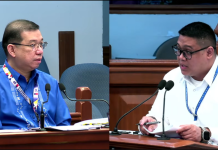
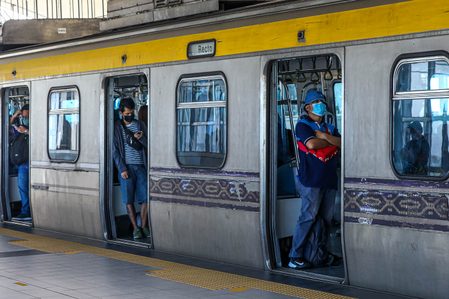
Bangko Sentral ng Pilipinas (BSP) Deputy Governor Mamerto Tangonan mentioned native banks are making ready to launch Apple Pay, whereas a tap-to-pay system for Mild Rail Transit Line 1 (LRT1) is awaiting a remaining settlement with the rail line’s non-public operator.
Right here’s a fast rundown of what we may see within the coming months.
Apple Pay: ‘Keep tuned’
Apple Pay has but to formally launch within the Philippines, however Tangonan hinted that the wait could also be practically over.
“We didn’t object to it. So, it’s as much as the banks,” Tangonan advised reporters throughout a roundtable.
“Keep tuned as a result of I do know some banks will launch (as a result of I do know some banks wish to launch). Keep tuned,” he added, with out mentioning the banks or giving a precise date.
Earlier studies had positioned Apple Pay’s Philippine entry within the third quarter of 2026as native banks labored to fulfill the platform’s technical necessities. As of Apple’s latest published list of supported markets on July 10, nonetheless, the Philippines was nonetheless not included.
Google Pay arrived earlier, launching within the Philippines on November 18, 2025, with preliminary companions together with China Financial institution, EastWest, GCash, GoTyme, Maya, RCBC, UnionBank, Clever, and Zed.
LRT1 may full the rail rollout
The following seen change for commuters could also be LRT1.
“Coming quickly,” Tangonan mentioned, including that the events had been right down to a “remaining settlement” with the operator. He mentioned he was hopeful that the system might be rolled out inside the quarter.
LRT1 would observe MRT3, which started rolling out its tap-to-pay fare system in July 2025, and LRT2, which additionally launched contactless funds throughout all 13 stations on July 13, 2026.
The brand new techniques let commuters faucet Visa or Mastercard financial institution playing cards, use NFC-enabled telephones and wearables, or scan supported QR codes as an alternative of shopping for a single-journey ticket or loading a Beep card. GCash is the principal fee accomplice for MRT3, whereas RCBC serves because the buying financial institution and fare-gate accomplice for LRT2.
“We simply wish to be sure that we offer an interoperable fee system,” Tangonan mentioned. “No matter you do there, so long as it is the fee system (No matter you do there, simply be sure that the fee system is), interoperable.”
Interoperability means commuters ought to finally be capable to use an current financial institution card, cellular pockets, or different accepted instrument throughout a number of transport techniques, slightly than shopping for a proprietary card for each.
What about buses?
The bus community is a extra sophisticated check.
Beep is already accepted on chosen routes, but it surely’s not the one cashless choice. The EDSA Busway launched a separate GCash SoundPay pilot in December 2025, initially protecting 260 buses. Passengers scan a QR code displayed on a conductor’s machine and enter their fare.
That also falls in need of the BSP’s broader imaginative and prescient. Tangonan mentioned he hoped bus operators, together with provincial companies, would finally carry terminals that might settle for a number of fee devices.
Connectivity stays a sensible drawback too on long-distance routes with stretches of freeway which might be cellular useless spots, which means fee techniques can also want methods to course of or retailer transactions offline.
Tokenized bonds and cross-border funds
Some BSP initiatives are much less seen to customers however may finally have an effect on how they make investments or ship cash overseas.
Underneath Mission Agila 2, the BSP plans to check the near-simultaneous settlement of tokenized Treasury bonds and permit taking part monetary establishments to make use of these securities to acquire liquidity.
This can be a wholesale central bank digital currency project for monetary establishments, not a retail “digital peso” meant to exchange money in customers’ wallets.
Tangonan mentioned tokenization may additionally assist monetary establishments divide authorities securities into smaller, extra inexpensive funding models, though banks and fintech corporations would nonetheless need to develop the merchandise provided to clients.
The BSP can be working with the Financial institution for Worldwide Settlements and different central banks on Project Mandalawhich explores encoding regulatory checks into digital certificates or tokens. It may complement Project Nexusthe initiative linking taking part nations’ instant-payment techniques, by making cross-border compliance quicker and doubtlessly inexpensive. – Rappler.com
Finterest is Rappler’s all-in-one monetary literacy hub.
Under are different Finterest articles you will have missed:
Click on right here for different Finterest articles.
https://weblog.passive-income4u.com/create-your-very-own-auto-publish-news-blog-site-and-earn-passive-income-in-just-4-easy-steps/
https://www.rappler.com/enterprise/finterest-apple-pay-lrt1-tap-to-pay-what-next-bangko-sentral-digital-payment-roadmap/