BAGUIO CITY, Philippines – College students at Peñarrubia Built-in College be taught chemistry from leaves, tradition from thread, and indigenous historical past with their very own arms.
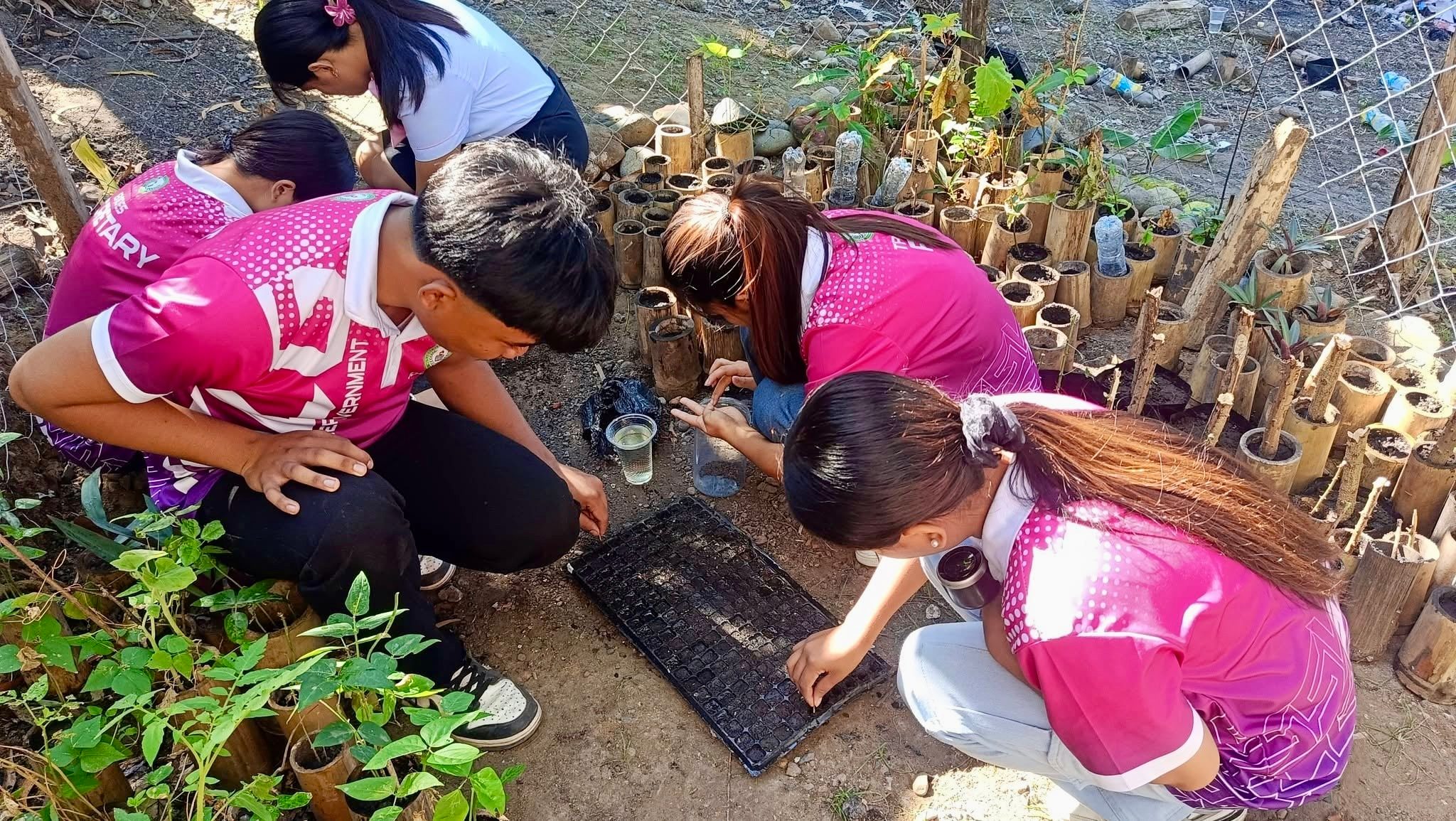
They collect plant supplies, chop and weigh them, extract their shade, and watch plain fibers tackle shades of beige, brown, and rust.
This isn’t an extracurricular exercise. Pure Dyeing is now a part of senior highschool.
The topic is the primary providing beneath Peñarrubia Built-in College’s specialised Indigenous Information Methods and Practices curriculum (IKSP) developed to assist doc, train, and maintain native data that educators feared was slowly fading from on a regular basis use.
The primary batch of 28 Grade 11 learners took Pure Dyeing through the second semester of the 2025-2026 faculty 12 months.
Sherwin Zapatero, grasp trainer III, senior highschool coordinator, and focal particular person for specialised topics in DepEd Abra, mentioned the curriculum grew from the initiative of Adelaida Bogayao, training program supervisor and Indigenous Peoples Schooling focal particular person of the Faculties Division Workplace of Abra.
“Many indigenous traditions and practices had been steadily fading from on a regular basis life,” Zapatero mentioned, explaining why Bogayao pushed for IKSP to be built-in into the senior highschool curriculum.
The purpose, he mentioned, was “to assist protect and go on this cultural heritage to youthful generations.”
Peñarrubia Built-in College was chosen because the pilot web site as a result of it already had a longtime senior highschool program.


Earlier than the teachings reached college students, nevertheless, academics and different personnel first went again to the neighborhood.
4 analysis groups had been shaped to doc pure dye sources, conventional dyeing processes, weaving patterns and designs, and indigenous embroidery. The groups included educating and non-teaching personnel from Peñarrubia Built-in College and the Faculties Division Workplace of Abra.
Zapatero mentioned the analysis and curriculum growth had been carried out by way of trainings, workshops, and collaborative periods funded beneath DepEd’s Indigenous Peoples Schooling Program.
“The findings from these community-based research turned the cornerstone of the curriculum,” he mentioned.
Academics then translated the documented data into studying competencies, classes, and educational supplies aligned with DepEd requirements.
In keeping with Zapatero, the curriculum went by way of technical overview, validation, and high quality assurance earlier than it was accredited by the DepEd Cordillera Administrative Area on January 3, 2025.
Zapatero labored with then faculty principal Pepito Trinidad and his fellow senior highschool academics in getting ready the paperwork wanted for implementation, together with the feasibility research, strategic plan, and implementation framework.
The academics additionally helped translate the analysis into classroom-ready classes and supplies, whereas Zapatero developed the curriculum framework and coordinated the submission and overview course of.
The municipal authorities later joined the trouble. Zapatero mentioned the Sangguniang Bayan, beneath then mayor Jane Cecilia after which vice mayor Geraldine Balbuena, approved a memorandum of settlement between the municipality and DepEd Abra by way of Peñarrubia Built-in College.
Beneath the settlement, the municipality dedicated assist for an LGU-funded trainer, in addition to instruments, tools, and supplies wanted for the hands-on electives.
Zapatero mentioned the overall dedication amounted to P288,940, together with three years of wage for the designated trainer. The assist has continued beneath Balbuena, now the municipal mayor.
For a topic constructed round making issues by hand, that assist issues. College students can’t be taught dyeing, weaving, and embroidery from lectures alone.
Zapatero underwent specialised coaching in pure dyeing by way of the Division of Science and Expertise Philippine Textile Analysis Institute in partnership with the College of Abra.
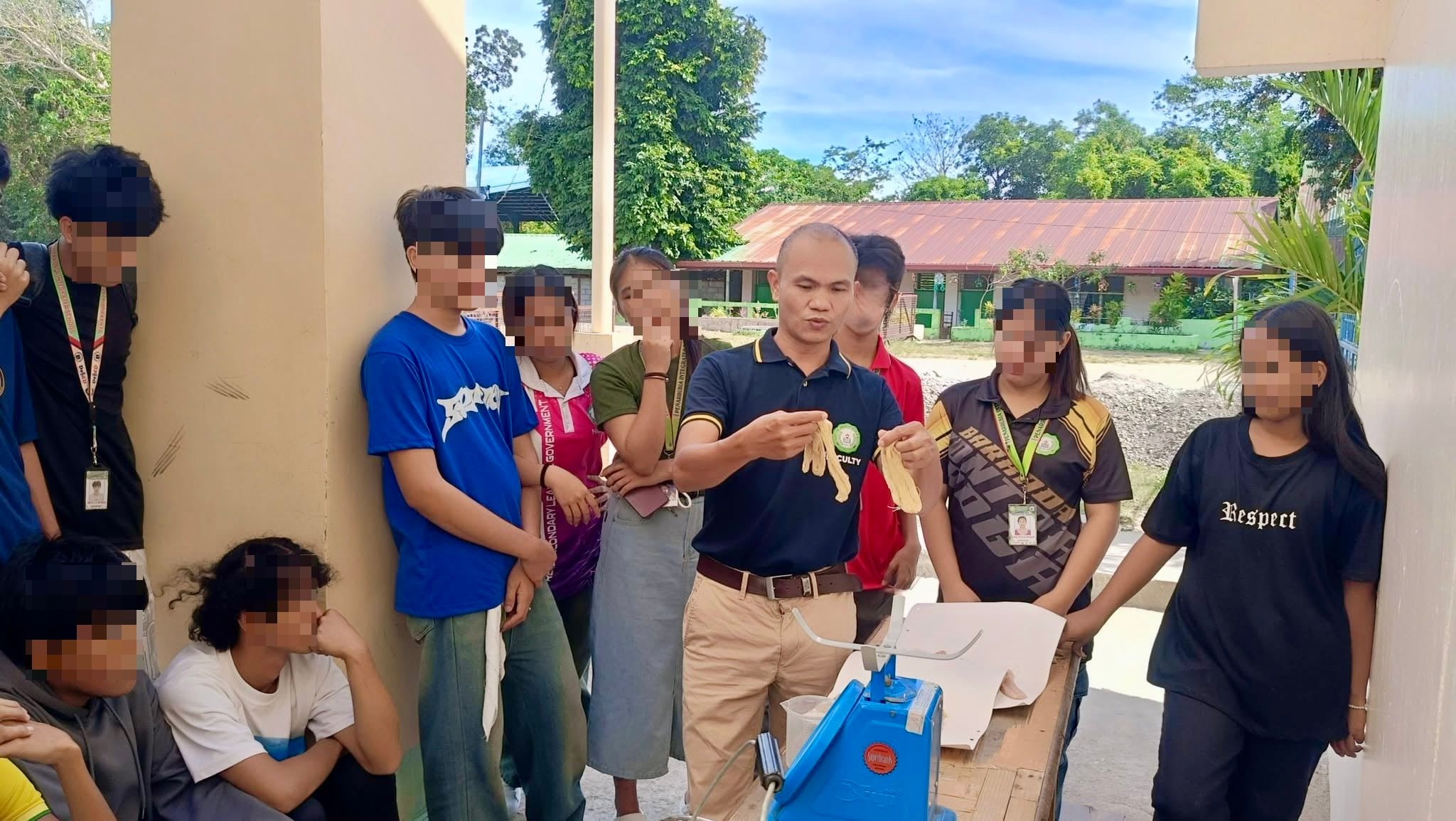
That coaching permits him to show each the cultural and scientific sides of the method.
College students be taught which plant supplies can produce shade and the way these are ready. In addition they observe how extraction, measurement, and remedy have an effect on the ultimate shade.
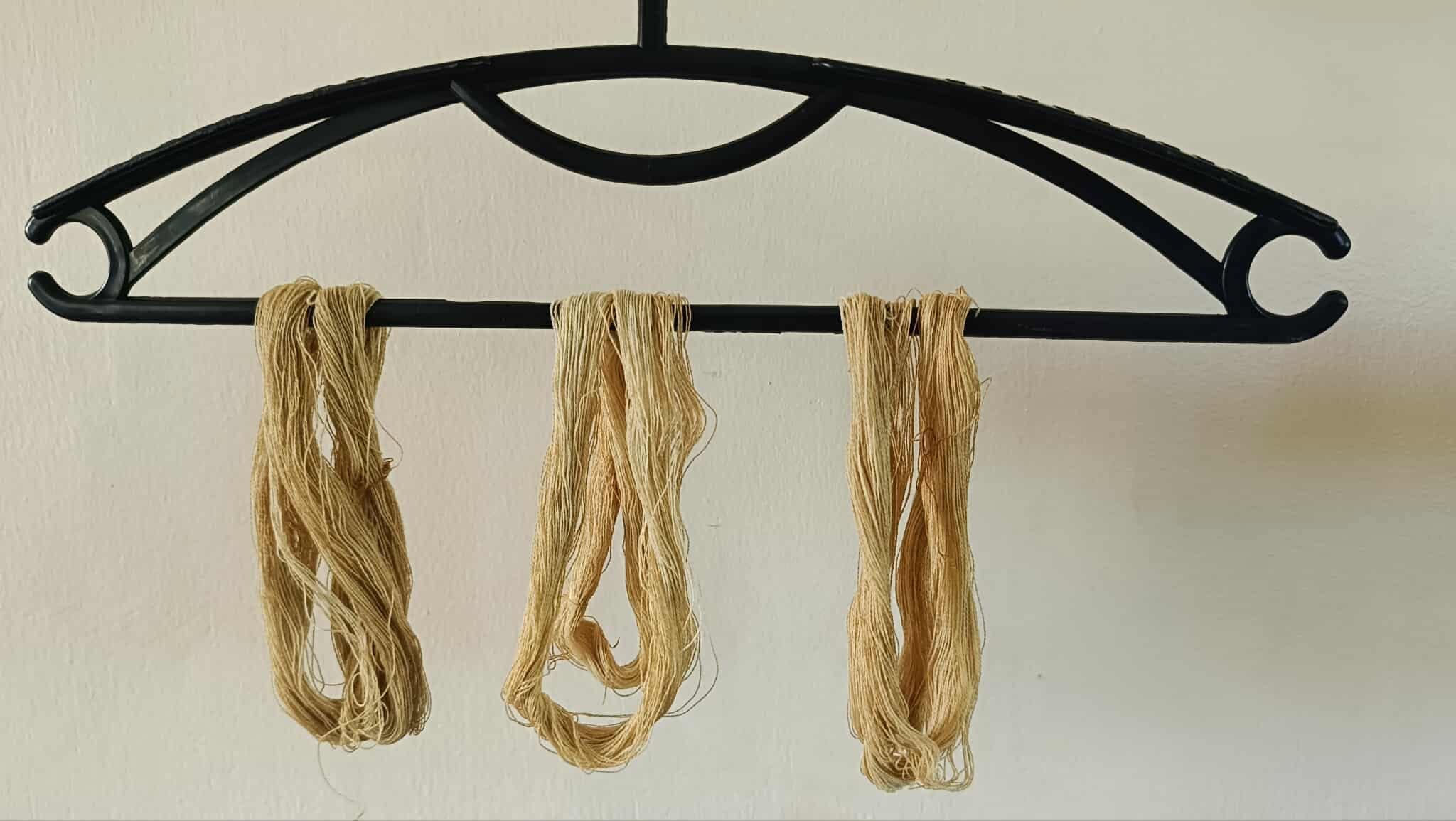


In school and through out of doors studying periods, plant supplies are sorted, lower, weighed, and processed earlier than getting used on fibers.
Completed skeins present the outcomes. Some come out pale and earthy. Others flip hotter shades of brown and rust.
One thing rising close by turns into pigment. Pigment turns into thread. Thread will ultimately grow to be textile.
The method additionally provides college students a sensible means of seeing how indigenous data and science meet. They aren’t solely advised that sure vegetation can produce dye. They take a look at them, evaluate outcomes, and work with the supplies themselves.
The following stage of the curriculum will transfer from dyeing to textile making.
Loom Weaving and Indigenous Embroidery are scheduled for implementation within the third time period of the 2026-2027 faculty 12 months for Grade 12 learners who beforehand accomplished Pure Dyeing in Grade 11.
“This development permits college students to deepen their understanding of indigenous craftsmanship whereas creating sensible expertise that contribute to the preservation and continued follow of Abra’s wealthy cultural traditions,” Zapatero mentioned.
College students first be taught the place shade comes from, then how that shade turns into a part of one thing woven or embroidered.
Bringing indigenous data into formal training additionally comes with duty.
The designs and practices being taught usually are not merely classroom supplies. They carry histories, meanings, and identities rooted in communities.
The data didn’t start at school. It got here from individuals who practiced it and handed it on lengthy earlier than it turned a part of a curriculum.
That makes continued engagement with the neighborhood necessary as this system grows.
Present faculty principal Maria Lorena Bisares is overseeing the continued implementation and growth of the specialised curriculum.
For the 28 college students within the first batch, the teachings are sensible. They be taught which vegetation can produce shade, how fibers reply to remedy, and the way these fibers can ultimately grow to be woven or embroidered items.
However they’re additionally studying one thing tougher to measure. The data behind these processes got here from communities that practiced and handed them on throughout generations.
Peñarrubia Built-in College is now making an attempt to verify one other era will get the possibility to be taught them. – Rappler.com
https://weblog.passive-income4u.com/create-your-very-own-auto-publish-news-blog-site-and-earn-passive-income-in-just-4-easy-steps/
https://www.rappler.com/folks/human-interest/abra-school-indigenous-knowledge-pracrices-curriculum/