
CEBU CITY, Philippines — What if the ocean itself may warn communities earlier than catastrophe strikes?
For the Indigenous Badjao neighborhood in Sitio Naba, Barangay Mambaling, Cebu Metropolis, the reply has lengthy been sure.
Relatively than relying solely on climate bulletins and authorities advisories, many Badjaos watch the tides, waves, currents, and refined adjustments within the sea. They’ve handed this information from one technology to the following and use it to anticipate approaching risks.
These lived experiences impressed an award-winning undergraduate thesis by three Bachelor of Arts in Communication college students from the College of the Philippines Cebu. Their examine argues that catastrophe threat discount applications ought to incorporate Indigenous data alongside formal catastrophe administration methods.
Greatest Thesis award at UP Cebu
The thesis, “Shared Sea, Shared Danger: A SEAmbolic Interactionism Evaluation on the Marine-based Catastrophe Danger Assemble of the Badjaos in Sitio Naba, Mambaling, Cebu Metropolis,” gained the Greatest Thesis award throughout UP Cebu’s Ganti sa Hamiling Paniksik (Excellent Thesis Award).
READ ALSO: DOST: Drones can help with disaster response, agriculture
Researchers Erna Bonsukan, Adrian Campugan, and Jade Himalaloan explored how the Badjao neighborhood understands catastrophe dangers by way of tradition, lived expertise, and its enduring relationship with the ocean.
The researchers famous that catastrophe communication within the Philippines typically follows a top-down strategy. Authorities companies and technical specialists normally outline dangers and problem warnings to communities.
Wanting past top-down catastrophe plans
Whereas that system stays necessary, they stated it typically overlooks the environmental data that Indigenous communities have constructed by way of generations of dwelling with nature.
“Our examine examines how members of the Badjao neighborhood perceive and assemble catastrophe dangers, significantly how their cultural beliefs, livelihood practices, and long-standing relationship with the ocean form their perceptions and responses to catastrophe occasions,” the researchers stated within the govt abstract they submitted to CDN Digital.
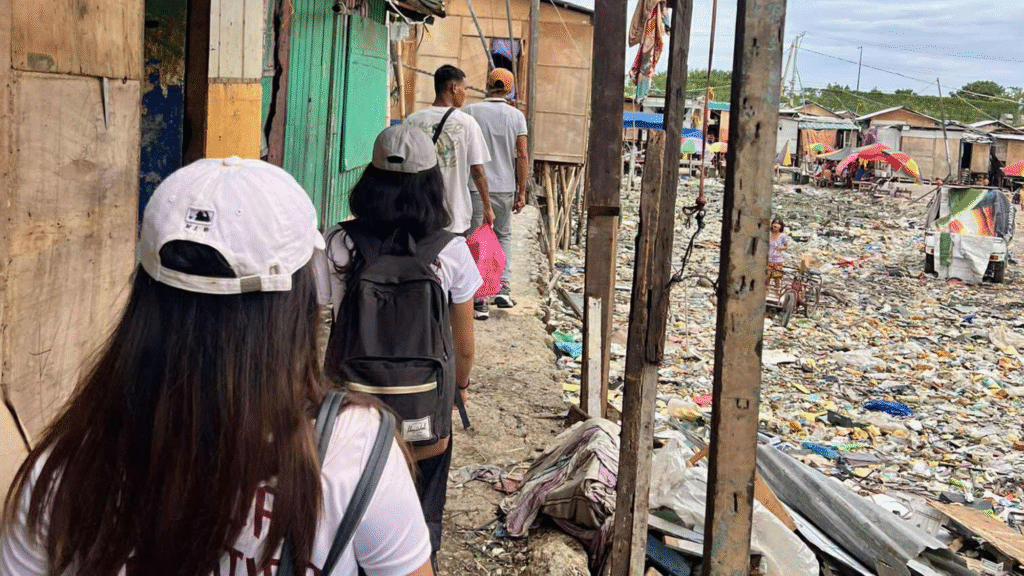
Many Badjao households now stay in casual coastal settlements susceptible to flooding, typhoons, storm surges, and rising sea ranges.
As a result of they work together with the ocean each day, neighborhood members interpret environmental hazards in another way from typical catastrophe communication fashions, the examine discovered.
Studying the ocean for early warnings
One of many examine’s key findings is that the ocean itself serves as an off-the-cuff early warning system.
As an alternative of relying solely on official advisories, Badjao residents observe altering tides, wave patterns, water motion, and different pure indicators. They use these observations to anticipate harmful circumstances and put together for potential disasters.
The researchers stated native catastrophe planners ought to acknowledge this Indigenous environmental data and combine it into preparedness applications.
Tradition shapes catastrophe selections
The examine additionally discovered that cultural beliefs and shared experiences affect how the neighborhood prepares for disasters.
For a lot of Badjaos, religious beliefs, household traditions, and recollections of earlier calamities form how they interpret warnings and resolve when to evacuate.
The researchers stated that catastrophe planners ought to perceive these beliefs as an alternative of treating them as limitations to preparedness.
Livelihood issues in catastrophe plans
The examine additionally examined why some residents delay evacuation even when hazards strategy.
For a lot of Badjao households, pumpboats and stilt homes are greater than property. They’re important sources of livelihood and a part of their identification.
Many households subsequently weigh the chance to their security in opposition to the potential lack of their boats, properties, and revenue earlier than leaving.
The researchers really useful evacuation plans that additionally defend livelihoods, not simply lives.
Catastrophe data travels by way of tales
The Badjao neighborhood additionally shares catastrophe data in another way from typical data methods.
Residents go on warnings and experiences by way of storytelling, household conversations, every day interactions, and classes shared throughout generations.
These neighborhood networks affect how individuals perceive, belief, and reply to catastrophe warnings.
The researchers stated catastrophe communication applications change into simpler after they construct on these present practices.
Suggestions for presidency
Based mostly on their findings, the researchers urged native authorities items, the Nationwide Fee on Indigenous Peoples (NCIP), and barangay catastrophe officers to undertake extra culturally responsive catastrophe methods.
They really useful integrating Indigenous environmental data into catastrophe communication. In addition they inspired officers to contain Badjao elders and neighborhood leaders in planning, develop livelihood-sensitive evacuation methods, and strengthen partnerships with Indigenous communities.
The researchers stated these measures may enhance belief, encourage larger participation, and strengthen catastrophe preparedness in susceptible coastal communities.
Analysis with impression
Past receiving UP Cebu’s Greatest Thesis award, the researchers hope their work will contribute to extra inclusive catastrophe governance.
“We hope these insights might assist assist the event of extra culturally responsive and community-sensitive catastrophe threat discount initiatives, significantly for coastal Indigenous communities,” they stated of their cowl letter accompanying the analysis abstract.
Their award-winning examine highlights one necessary lesson: efficient catastrophe planning mustn’t start and finish with authorities companies. It must also take heed to Indigenous communities whose data of the ocean has helped them navigate dangers for generations.
Learn Subsequent
https://weblog.passive-income4u.com/create-your-very-own-auto-publish-news-blog-site-and-earn-passive-income-in-just-4-easy-steps/
https://cebudailynews.inquirer.web/746973/how-the-badjao-read-the-sea-indigenous-knowledge-in-disaster-plans