Robin Hood performs ought to be banned, wrote an advisor to King Henry VIII in 1536 – they had been, he argued, educating the general public methods to defy the king’s officers. It was principally the medieval equal of claiming video video games make youngsters violent, a part of a longstanding movement to ban performances and tales of Robin Hood. This hero was actually a villain, these medieval campaigners complained.
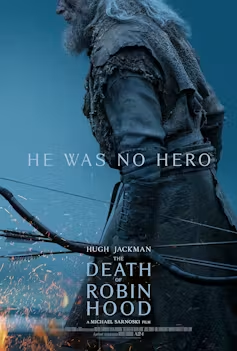
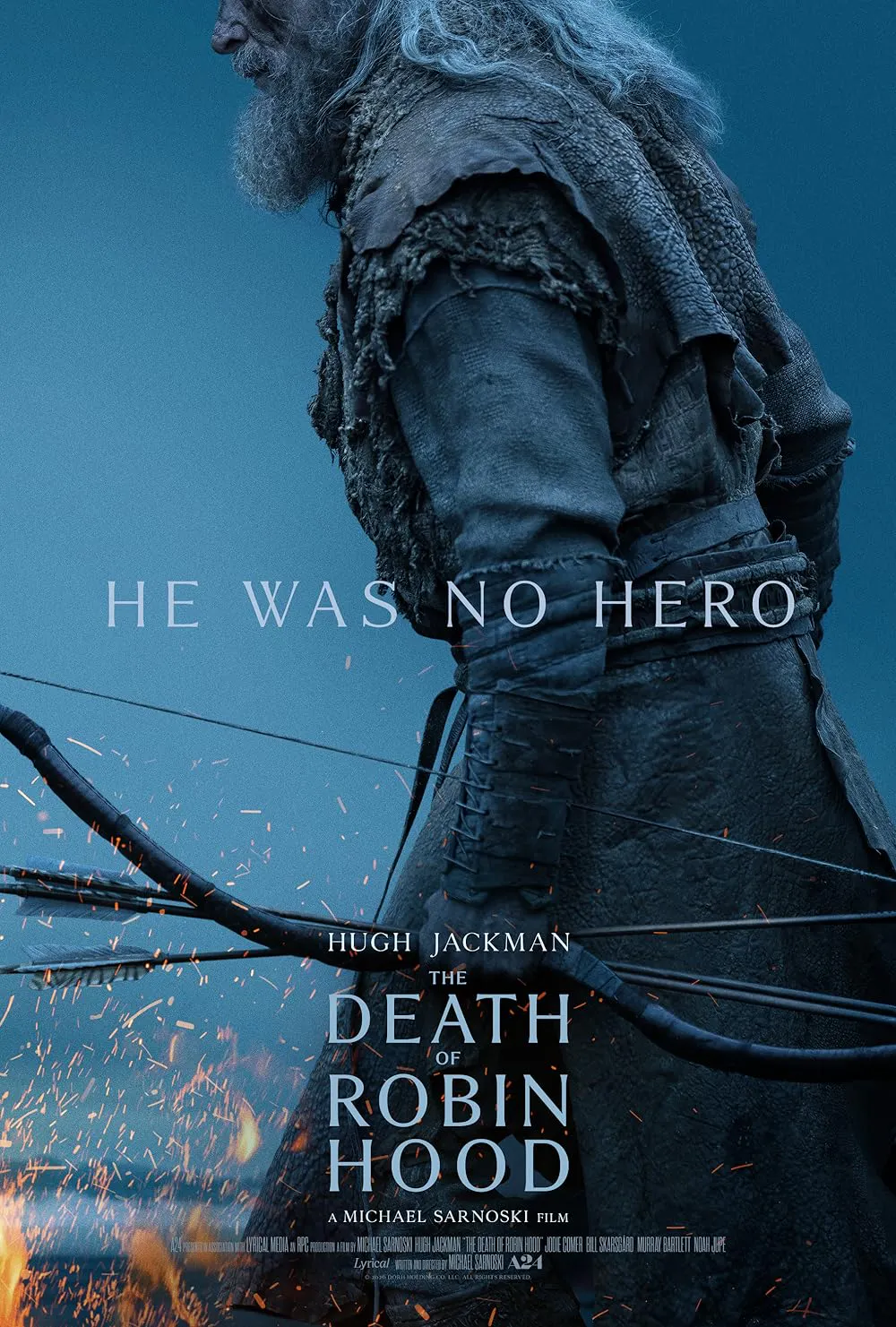
A brand new movie, The Death of Robin Hoodechoes this declare. Set within the far north of England within the 12 months 1247, the movie sees a wounded Robin Hood (Hugh Jackman), a “wicked and murderous bandit”, mirror on his lifetime of crime. “He was no hero,” claims the movie’s tagline.
However in our time of cost-of-living crises and rising authoritarianismdo we want a villainous Robin Hood? One Reddit remark summed it up nicely: “Unsure I like the concept of tearing down a folks hero who fought towards wealth inequality and greed from higher courses within the present period we’re in. Feels fairly tone deaf.”
The optics aren’t nice. This hero-to-villain recasting comes within the wake of Jackman’s efficiency at Rupert Murdoch’s ninety fifth birthday earlier this yearattended by members of the Trump household.
However do the movie’s claims about Robin Hood’s villainous origins even stack up? What’s the reality behind the legend?
The historical past of Robin Hood
We first see literary references to Robin Hood within the 1370s, when poet William Langland wrote that rhymes and romances of Robin Hood had been shared in taverns. Quickly after, round 1405, a literary commentary on the Ten Commandmentsframed as a dialog between a wealthy man and a poor man, complained that folks would fairly go to the pub to listen to a story of Robin Hood than attend church providers.
The earliest identified Robin Hood narrative survives inside a essential supply that rubbishes Robin’s widespread enchantment: Scotichroniconcompiled within the 1440s by Scottish abbot Walter Bower. The chronicle was a rejection of English claims over Scottish sovereignty. Bower emphasised each the piety of the Scottish church and the durations of violence repeatedly breaking out throughout the border.
He estimated that the Robin Hood delusion originated throughout the Second Barons’ Warfare (1264-67), by which the forces of Henry III and Simon de MontfortEarl of Leicester, battled for management over England. Bower imagined Robin was one of many many disinherited troopers who ravished the nation following de Montfort’s defeat in 1265, putting him amongst those that stole crops and looted church buildings to make their residing:
Right now there arose from among the many disinherited and outlaws and raised his head that almost all well-known armed robber Robert Hood, together with Little John and their accomplices. The silly frequent folks eagerly have a good time the deeds of those males with gawping enthusiasm in comedies and tragedies.

The Merry Adventures of Robin Hood, Wikimedia Commons
That is the very supply that impressed director Michael Sarnoski’s 2026 imaginative and prescient.
But Bower additionally admits that a few of Robin’s exploits are commendable. Within the very subsequent sentence, he paraphrases a circulating story the place Robin is attacked by a viscount, whereas diligently holding a Mass in his forest hideout. Regardless of the hazard, and the pleas of his males to flee, his non secular power ensures he’s the victor.
This Robin is the one most seen within the later Center Ages: not a violent bandit, however a star of motion journey tales that upheld the sanctity of the church and emphasised group values.
Robin Hood as medieval superhero
The commonest manner on a regular basis individuals engaged with the Robin Hood custom was through play-games – a mixture of costumed roleplays with real sporting competitions – which had been held in spring and summer time. Proof for these group performances date to the mid 1420s, the place gamers in Exeter had been paid 20 pence for playing a Robin Hood game for the mayor.
Males would costume as Robin Hood and Little John and lift funds for community projects. These appearances had been basically the equal of superheroes at purchasing malls right now, however Robin’s presence in medieval communities was not nearly enjoyable: it signalled issues in the neighborhood wanted fixing. Whether or not a church needing repairs, or a social lease needing to be reconciled, if Robin Hood was in your city, he was there to assist.

The Worde Gest
Those that refused to serve the group grew to become Robin’s enemies. Within the literary custom, that is the Sheriff of Nottingham and the grasping bishops of the church. Robin was not strictly anti-authority, however anti-corrupt authority.
He was staunchly loyal to the king, however challenged corrupt civic officers. He noticed Mass thrice a day, however harassed the grasping clerics of the church. This mirrored Robin’s fundraising function, encouraging all to do their half and chastising those who did not.
The well-known “rob the wealthy to present to the poor” mantra is a Sixteenth-century simplification of this altruistic spirit. Removed from being a bloodthirsty felony, the unique Robin had a communal mindset – not an individualistic one.
Violence as an outlaw’s final resort
Jackman has said that within the Fifteenth-century poem A Gest of Robyn Hodethe outlaw is depicted as a violent cutthroat – however “from these grim beginnings emerged a hero”.
But the Gest famously options the primary glimpses of a gentrified Robin, depicted because the gracious host of feasts. This isn’t a softening of some earlier, violent model of the outlaw, however a easy reflection of his function because the host of the feasts of his communal video games.
Whereas some tales comprise violent episodes, they weren’t hidden, however had been celebrated by communities. The oldest surviving Robin Hood playcirca 1475, options the beheading of a knight – a second supposed to elicit a cheer from the viewers on the defeat of an enemy.
The early Robin Hood tales featured violence, however they weren’t inherently violent tales: not more than Superman is violent as a result of he fights his enemy Lex Luthor. Studying violence into the medieval literary custom goes towards the grain of their context as cautionary tales, which additionally comprise comedy, friendship and love.
Robin doesn’t hurt the poor or the harmless – solely those that are egocentric, or remoted from society. Violence is a final resort for this outlaw. His major weapon is guilt and disgrace. He’s somebody who calls for higher from his viewers and leads by instance.
It’s subsequently fairly telling that those that complained about Robin’s reputation had been usually the varieties of individuals the outlaw would assault. In the event you had a responsible conscience, you had one thing to cover – monks and public officers complaining the outlaw was being too onerous on them is kind of the inform.

Wikimedia Commons
Robin’s actual felony origins
To what extent, then, does The Demise of Robin Hood’s portrait of Robin as a violent felony ring true?
The earliest traces of the Robin Hood custom is a nickname for criminalsdated to 1262. A Berkshire fugitive had his title modified by a London clerk, from William le Fevere to William Robinhood (“Robehod”). Data present a brief string of such aliases seemingly imposed by clerks: to be a Robin Hood was to be a violent felony.
There was no character but – solely the title. By the top of the thirteenth century, “Robin Hood” begins to appear as a surname for each people and households, with none felony implications. These had been tax-paying individuals, law-abiding residents, but they named themselves after Robin Hood. Maybe somebody didn’t like being referred to as a Robin Hood and so they determined to personal it, like reclaiming a slur?
By the mid-14th century, we start to see the green-clad outlaw of Sherwood Forest emerge as a hero towards the grain of the typical outlaw storynot preventing for his personal freedom however for the rights of the group at giant. Robin Hood was not modelled on the criminals of the thirteenth century, however on the spirit of those that challenged a label they refused to put on.
So, flipping the script on a violent Robin Hood shouldn’t be so new in any case.
William HoffPhD candidate (historical past), The University of Melbourne. This text is republished from The Conversation underneath a Inventive Commons license. Learn the original article.
https://weblog.passive-income4u.com/create-your-very-own-auto-publish-news-blog-site-and-earn-passive-income-in-just-4-easy-steps/
https://interaksyon.philstar.com/hobbies-interests/2026/07/01/315605/hugh-jackman-plays-robin-hood-as-wicked-its-a-badly-timed-take-on-the-hero-of-the-poor/