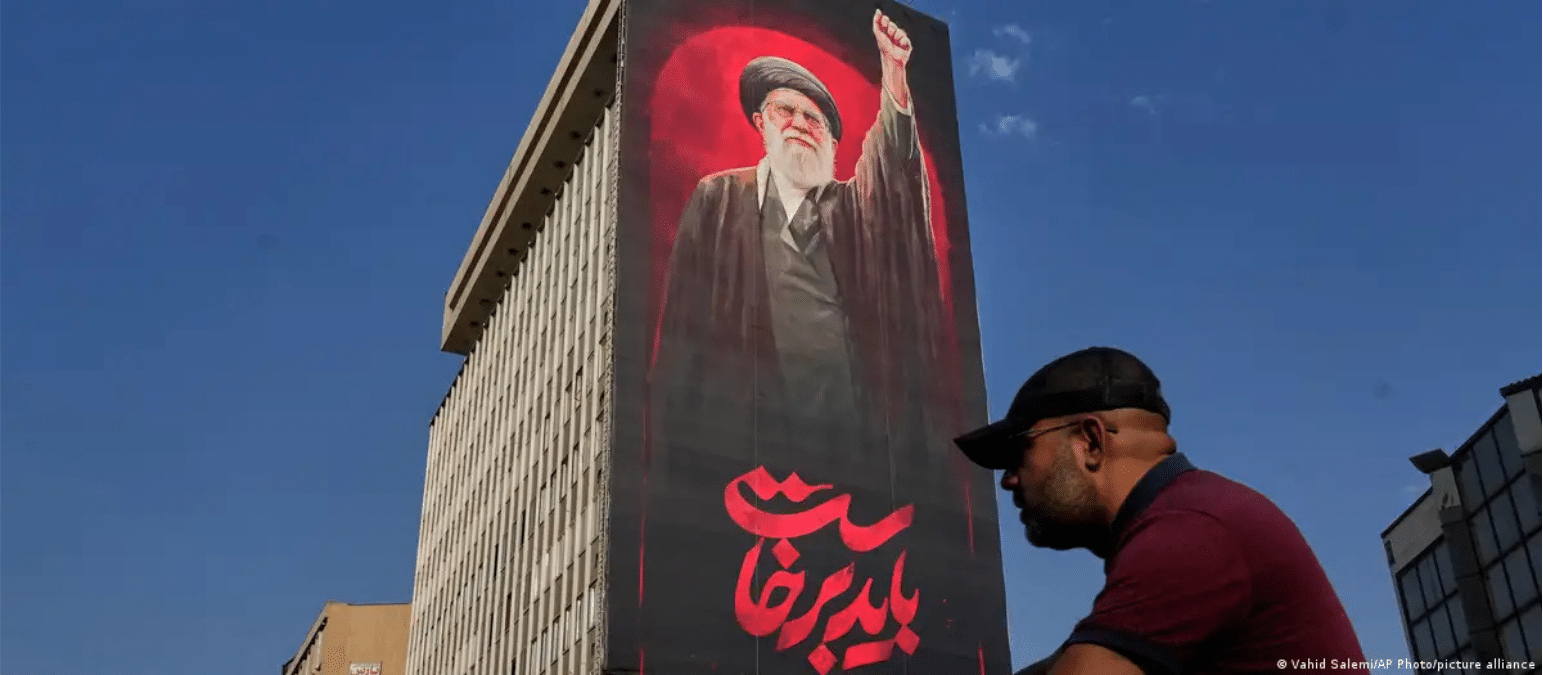
Iran’s rubber-stamp parliament lately accredited the broad outlines of a invoice imposing new restrictions on contacts with overseas establishments, media and organizations, as authorities search to develop the authorized framework for combating what they describe as “overseas affect.”
Underneath the model superior on Sunday, contacts with overseas media, cooperation with abroad universities and analysis establishments, communication with overseas embassies and organizations, and the receipt of overseas monetary help may very well be banned, require prior authorization or carry prison penalties.
The textual content remains to be topic to ultimate approval and have to be handed by the 12-member Guardian Council earlier than turning into legislation. Though Iran ostensibly holds elections for parliament, any candidate have to be accredited by the unelected Guardian Council, which is loyal to the Islamic Republic’s ruling clerics.
READ: Iran: Living in limbo between war and ceasefire
Proponents of the invoice say it’s in response to elevated actions of overseas intelligence companies, governments and establishments. In addition they argue that whereas espionage is already coated by Iranian legislation, there is no such thing as a clear authorized framework for addressing overseas “affect.”
Iran already an info black gap
Sina Yousefi, an Iranian lawyer and authorized knowledgeable primarily based in Germany, stated the laws leaves the boundary between authentic contact and overseas affect unclear in a lot of its provisions, with the interpretation of that boundary successfully left to safety establishments and the courts.
“When a citizen doesn’t know whether or not chatting with overseas media, cooperating with a overseas college or sharing info may later be handled as a prison act, the legislation creates an environment of concern and insecurity,” Yousefi instructed DW.
Iran already has one of the repressive media environments on the planet, rating 177 out of 180 international locations on Reporters With out Borders (RSF) 2026 World Press Freedom Index.
The federal government runs all broadcast networks, overseas media is barred from broadcasting in Iran, and authorities regularly block the web and social media throughout civil unrest, as was seen throughout a bloody crackdown on protests in January 2026.
Acquiring info from inside Iran may be very troublesome. RSF classifies entry to info inside Iran as “severely restricted,” with reporters working beneath bombardment whereas additionally going through strain from state establishments.
Parviz Yari, a Germany-based journalist and senior researcher with the Defending Free Move of Data (DeFFI), a non-profit monitoring harassment of journalists in Iran, described the invoice as a continuation of what he known as the Islamic Republic’s efforts to limit freedom of expression.
READ: Iranians struggle to buy food as war drives up prices
“The Islamic Republic has used a variety of instruments and strategies to disrupt the free movement of knowledge and limit freedom of expression. However the growth of social media and the actions of media shops and human rights organizations outdoors Iran have diminished the impression of official narratives on public opinion,” Yari instructed DW.
Criminalizing reporting
Yari stated the invoice may additionally make it tougher for impartial media and worldwide organizations to entry info from inside Iran.
“Criminalizing new types of exercise by journalists, residents and researchers is, on the one hand, an try and restrict impartial media and worldwide organizations’ entry to first-hand sources, and on the opposite, an effort to strengthen the attain of the Islamic Republic’s propaganda equipment,” he stated.
A part of the proposed invoice requires penalties between six months and two years in jail for interviewing or discussing with media “deemed hostile to the Republic,” Reuters information company reported.

Media researcher Yari warned that the impression on journalists and researchers may very well be significantly vital if the invoice turns into legislation.
READ: Iran after the war — fragile peace, shattered economy
“If lastly accredited, the invoice would criminalize an unprecedented vary of contacts with opposition media and worldwide organizations, clearly geared toward disrupting the skilled work of journalists and researchers, tightening the state’s info monopoly and amplifying official narratives,” Yari stated.
Limiting tutorial analysis and civil society in Iran
Nevertheless, one of many invoice’s most important provisions considerations scientific and tutorial cooperation with overseas entities.
Article 5 requires the Intelligence Ministry to publish an annual checklist of overseas universities and establishments accredited for scientific and analysis cooperation.
Collaboration with establishments outdoors that checklist could be prohibited. Sending medical, analysis and archaeological samples to unauthorized overseas establishments may additionally lead to prison penalties, together with imprisonment.
The supply would successfully make sure types of worldwide tutorial cooperation depending on approval by the Intelligence Ministry.
The invoice additionally extends restrictions to civil society. Sure overseas funding, contracts and types of cooperation involving NGOs, associations and political events would require approval from a committee involving authorities ministries and safety establishments.
READ: Iran after Khamenei: A new order takes shape
Lawyer Yousefi warned that the uncertainty created by the invoice may discourage lecturers, researchers and civil society teams from pursuing worldwide cooperation.
“When cooperation with a overseas college, participation in an academic course, contact with a global group or help for a civil society exercise can grow to be a safety case, individuals will distance themselves from these actions upfront,” Yousefi stated.
“The result’s a restriction on universities, civil society, the movement of knowledge and Iran’s scientific engagement with the world. That is now not merely a coverage towards espionage, however safety intervention in areas that ought to be capable to function independently.”
Iranian regime expands its grip
Moein Khazaeli, an Iranian authorized knowledgeable primarily based in Sweden, warned that the invoice may grow to be “one other instrument for suppressing political opponents and human rights activists.”
He instructed DW that the invoice may criminalize peculiar conduct that may not usually be thought of unlawful in most international locations.
“Acts which are labeled as crimes beneath 99% of the provisions of this invoice aren’t crimes within the first place and don’t even warrant prison prosecution,” he stated.
He pointed to a provision beneath which the punishment for an peculiar offense may very well be elevated if authorities decide that it was directed or influenced by a overseas actor.
“An peculiar offense, resembling an insult or a avenue battle, may probably be deemed to have been directed or influenced by overseas actors, resulting in a harsher sentence,” Khazaeli stated.
For Iran’s authorities, the ongoing battle with the US and final 12 months’s brief struggle with Israel have created a very troublesome safety surroundings, with heightened considerations over overseas intelligence operations and vulnerabilities contained in the nation.
Yousefi sees the invoice as much less about addressing a concrete menace and extra about making up for the federal government’s safety shortcomings by proscribing and intimidating residents’ freedoms.
“If safety businesses have failed to stop real overseas affect, they can’t compensate for that failure by increasing prison legal responsibility and inserting residents’ contacts with the surface world beneath safety oversight and authorization,” he stated.
“Combating espionage ought to goal particular prison conduct, not deal with tutorial, media, cultural or civil society ties with the surface world as inherently suspicious.” /dl
https://weblog.passive-income4u.com/create-your-very-own-auto-publish-news-blog-site-and-earn-passive-income-in-just-4-easy-steps/
https://globalnation.inquirer.internet/335570/in-iran-contact-with-foreigners-could-soon-be-a-crime