
- Struggle snarls essential drug deliveries to Gulf
- Drugmakers reroute cargo as Dubai, Doha hubs are hit
- Most cancers medicine face larger provide threat
- No main shortages but, business says
- Hospitals may face strain inside weeks
LONDON — Struggle within the Center East is disrupting the circulation of essential medicines to the Gulf, imperiling provide routes for most cancers medicine and different remedies that require refrigeration and forcing corporations to reroute flights and discover overland entry into the area, business executives mentioned.
The battle, sparked by U.S. and Israeli assaults on Iran two weeks in the past and broadened by Iranian strikes across the area, has knocked out key air transit hubs and closed transport routes, snarling the motion of products for a lot of merchandise from medicines to meals and oil.
Whereas there are few indicators but of main shortages, that would change if the battle drags on, some executives mentioned. The Gulf depends closely on imports and a few medicines have brief shelf lives and wish strict cold-chain storage, making prolonged overland transport much less sensible.
Executives at Western drugmakers mentioned they had been in search of different routes into the Gulf and trucking some medicine overland from airports like Jeddah and Riyadh in Saudi Arabia. Different choices had been Istanbul and Oman.
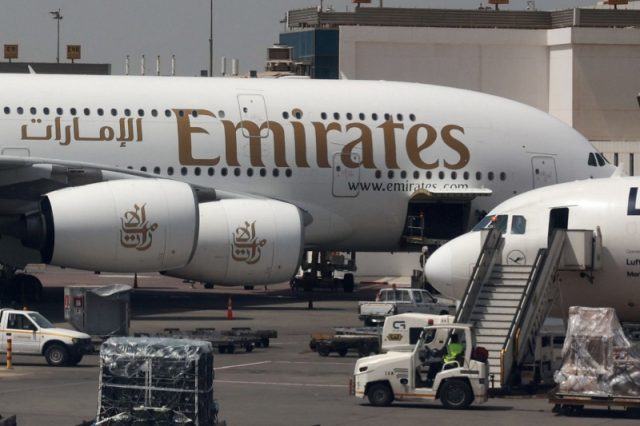
Main airports within the area together with Dubai, Abu Dhabi and Doha have been closed as a result of strikes by Iran in response to U.S. and Israeli assaults. Dubai and Doha are main cargo hubs linking Europe with Asia and Africa, with airways Emirates (RIC:RIC:EMIRA.UL) and Etihad and logistics companies corresponding to DHL (RIC:RIC:DHL.UL) dealing with temperature-sensitive medicine that should be stored inside a slender vary to stay protected and efficient.
Wouter Dewulf, a professor on the Antwerp Administration Faculty, cited business knowledge displaying over a fifth of world air cargo — the primary route for essential or life-saving medicine and vaccines — are uncovered to Center East disruption.
One government cautioned that different “cold-chain corridors”, or temperature-controlled routes used for delicate medicines, couldn’t be arrange in a single day and weren’t at all times accessible.
One other pharmaceutical firm government mentioned it had arrange inside groups to prioritize patient-critical shipments, together with of most cancers remedies, and warned some temperature-controlled shipments may miss connections except correct storage and dealing with had been secured.
A medical gadget firm government mentioned step one was to map shipments already in transit or able to depart, then determine which pallets wanted to be diverted and whether or not new shipments needed to be deliberate.
The manager, who like others spoke on situation of anonymity to debate inside operations, mentioned some Europe-Asia cargo that usually transfer by Dubai or Doha airports was being rerouted by way of China or Singapore. Sea routes weren’t sensible as a result of longer journey occasions, in addition to closure of the essential Strait of Hormuz by Iran.
“You probably have an pressing surgical procedure with a affected person ready for remedy, you need to select the quicker mode of transport,” the chief mentioned.
Hospitals may run low inside weeks
Prashant Yadav, senior fellow for world well being on the Council on Overseas Relations, mentioned shares of brief shelf-life, temperature-sensitive and dearer medicines had been often round three months, with most cancers medicine, significantly monoclonal antibodies, amongst these at highest threat.
Delays in supply of oncology medicines can have dire penalties for sufferers, who could be compelled to restart a course of remedy, or see their most cancers worsen.
The disruption was already an issue for some corporations, Yadav mentioned, with some clients warning they might run low on provides inside 4 to 6 weeks if issues didn’t enhance.
Over 100 pharma and logistics business individuals joined a webinar final week hosted by Pharma.Aero, a life sciences logistics group, to debate the Gulf disaster and its supply-chain and transport implications.
Trade is coping for now
Some logistics suppliers say the business is coping for now. Dorothee Becher, accountable for air logistics for healthcare at freight firm Kuehne+Nagel KNIN.Smentioned carriers had been flying into Jeddah, Riyadh and Oman and utilizing land routes to achieve last markets.
“I don’t see any threat but that the stock would go dramatically down,” she mentioned, including that healthcare cargo was being prioritised.
However retaining shipments shifting was a relentless battle.
Doaa Fathallah, chief working officer at biopharma logistics firm Marken, mentioned cold-chain cargo was getting by, however solely with round the clock re-routing as airspace restrictions shifted quickly.
The re-routing means longer transit occasions and better gasoline prices, driving up transportation charges, she mentioned, in addition to use of dry ice to maintain medicines chilly.
The dangers rise for the business if the disruptions persist, executives mentioned, as provides within the Gulf and Asia run low.
Transport snags may additionally have an effect on merchandise that pose oblique dangers to drug provides together with shortages of vial stoppers, IV bag plastics and objects wanted for packaging.
“It’s not at all times a scarcity of the drugs itself,” mentioned David Weeks, who follows the availability chain business for knowledge and analytics firm Moody’s. “In some circumstances, it’s the little stopper on the vial the place the dosage is extracted.”
—Reporting by Maggie Fick in London; Further reporting by Bhanvi Satija in London; Modifying by Adam Jourdan and Invoice Berkrot
https://weblog.passive-income4u.com/create-your-very-own-auto-publish-news-blog-site-and-earn-passive-income-in-just-4-easy-steps/
https://interaksyon.philstar.com/politics-issues/2026/04/01/311473/analysis-middle-east-war-disrupts-pharma-air-routes-risks-cancer-drugs-supply/