Regardless of worsening financial figures, the nation’s greatest retailer and airline say demand is surprisingly resilient
The most recent Philippine financial numbers paint a grim image, with inflation rising, unemployment worsening, and financial progress slowing to its weakest tempo since 2009, exterior the pandemic.
However simply as these figures have been launched, Rappler had the possibility to talk with executives from a number of the nation’s greatest companies about how they’re digesting the slowdown. Their responses recommend a extra uneven image, with some industries holding up higher than others.
First, let’s recap the three massive numbers:
- Inflation rose 7.8% 12 months on 12 months in October, accelerating from 7.2% in September.
- Unemployment climbed to 5.4% in September from 5.3% in August, leaving an estimated 2.86 million Filipinos unemployed.
- The Philippine economic system grew by simply 2.1% in Q3 2026, down from 2.4% within the earlier quarter and 4% a 12 months earlier. This marked the weakest tempo since 2009, excluding the pandemic years. Progress averaged solely 2.5% within the first 9 months of the 12 months.
That leaves the Marcos administration on track to miss its annual growth target for the fourth 12 months in a row. Financial progress would wish to soar to six.3% within the remaining quarter simply to hit the decrease finish of its already lowered 3.5% to 4.5% goal — a feat even the nation’s chief economist admitted could be “very, very difficult.”
Division of Financial system, Planning, and Growth Secretary Arsenio Balisacan additionally warned that companies shouldn’t anticipate shopper spending to get well rapidly.
“I don’t anticipate shopper spending to rebound strongly quickly,” he informed reporters on November 9, citing the lingering results of inflation.
Family consumption grew simply 2.4% within the third quarter. BPI lead economist Emilio Neri Jr. identified that spending truly rose 8.5% in nominal phrases, suggesting a lot of that went towards protecting greater costs somewhat than shopping for extra items and companies.
However, two leaders of the SM Group didn’t appear too involved concerning the newest macroeconomic numbers.
SM Supermalls president Steven Tan stated mall foot visitors was nonetheless steady, with food-and-beverage gross sales even rising by double digits in October. Customers have been additionally spending extra time in malls, probably consolidating journeys as gasoline costs rise.
However although retail remained robust, SM Prime president Jeffrey Lim acknowledged weaker residential demand and stated the corporate would prioritize extra steady revenue sources akin to malls, lodges, and conventions.
“We’re not placing our enlargement plans on maintain. We’re merely being extra deliberate about how we spend,” Lim stated.
Cebu Pacific is equally seeing Filipinos continue to spend on travelin line with its president Xander Lao. Regardless of greater gasoline prices and ticket costs, the airline expects to surpass final 12 months’s document of 26.9 million passengers.
“Journey stays resilient whatever the financial knowledge that’s popping out,” Lao stated.
After all, these experiences don’t erase the pressure felt by shoppers. A latest Organic Intelligence study discovered that 45% of surveyed city Filipinos stated inflation had drained their motivation to get forward.
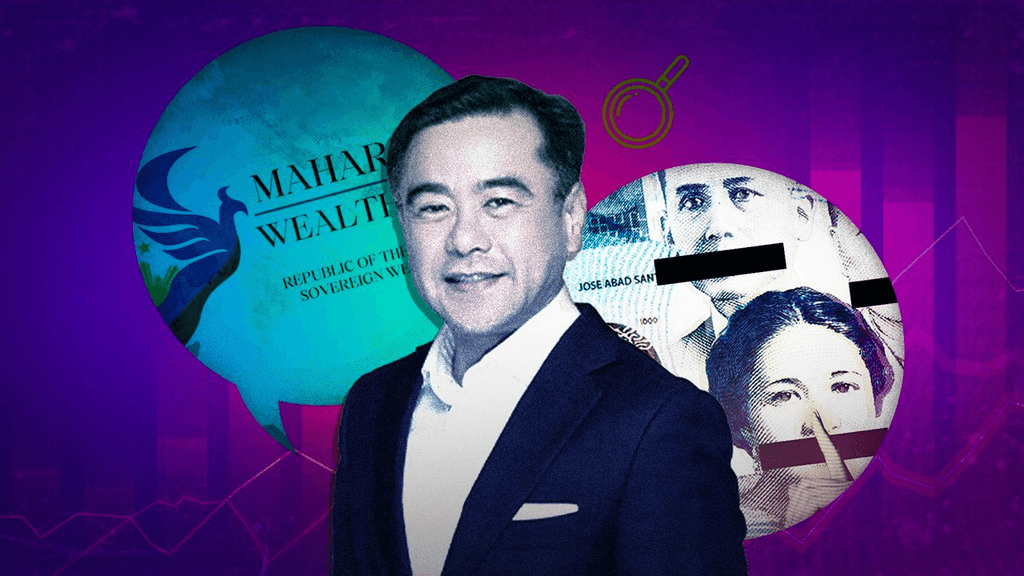
In the meantime, Maharlika Investment Corporation president and CEO Joel Consing sees alternatives even amid the powerful financial state of affairs.
READ: The Maharlika fund that Joel Consing leaves behind
Talking to reporters on the Fourth ASEAN Funding Discussion board, Consing stated weaker financial progress may trigger asset repricing and create engaging alternatives for traders to enter.
“We aren’t impacted by the weak spot of GDP by way of our funding technique,” he stated, explaining that Maharlika’s infrastructure investments tackle long-term wants no matter short-term financial efficiency.
Consing additionally defined how the fund goals to spend money on sectors the place personal firms could also be reluctant to maneuver first, ultimately attracting extra capital.
That want is urgent. Web international direct funding (FDI) inflows fell 23.9% within the first seven months of 2026 to $4.07 billion.
It’s no marvel then that after presenting the third quarter’s disappointing progress figures, Secretary Balisacan underscored that the Philippines wants extra FDIs, not just for the cash but additionally for the know-how, experience, and innovation international traders carry.
We hope this readout helps inform your subsequent technique or boardroom choice. And as all the time, be happy to inform us what to deal with subsequent, pricey enterprise chief. – Rappler.com
Readout is a brand new content material collection from knowledge consultancy The Nervebringing you insights that bridge the hole between fast information headlines and dense technical studies. Readout tracks and explains enterprise shifts in several Philippine industries. Crafted from on-the-ground reporting and data-driven analyses, Readout supplies a transparent learn on the place market and consumption are headed, what’s shaping demand throughout totally different sectors, who the important thing gamers are, and why all of it issues.
https://weblog.passive-income4u.com/create-your-very-own-auto-publish-news-blog-site-and-earn-passive-income-in-just-4-easy-steps/
https://www.rappler.com/voices/newsletters/readout-slow-gross-domestic-product-q3-business-effects/