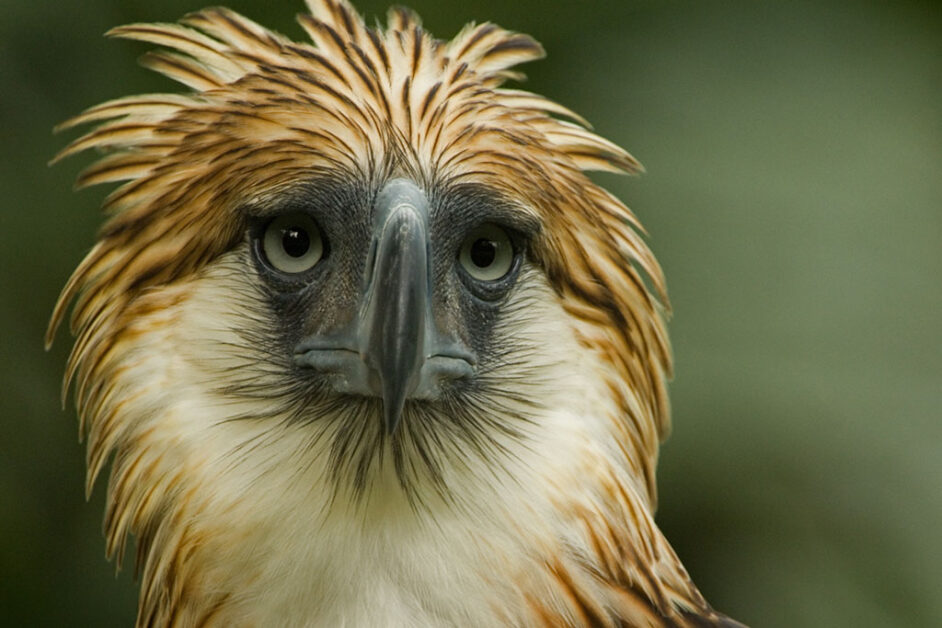
DAVAO CITY (MindaNews / 12 June 2026) — A latest genomic study has discovered that the Philippine eagle (Pithecophaga jefferyi)already threatened by searching and habitat loss, has one of many lowest ranges of genetic range recorded amongst birds of prey, elevating considerations in regards to the species’ potential to adapt to illness, environmental change, and different threats.
Revealed solely in April of 2026 within the journal BMC Genomics, the research analyzed the genomes of 35 Philippine eagles beneath the care of the Philippine Eagle Basis (PEF) and located that the nation’s nationwide chook has “exceptionally low” genome-wide heterozygosity, a measure generally utilized by scientists to evaluate genetic range.
Dr. Cynthia Saloma, Dean of the Faculty of Science on the College of the Philippines Diliman, and one of many researchers, stated the discovering locations the Philippine eagle among the many most genetically susceptible raptors studied to this point and highlights the necessity to contemplate genetics in future conservation efforts.
“Genetic range means having a large mixture of genes in a species,” Saloma instructed MindaNews. “Having a various set of genes throughout the inhabitants makes it doable for the species to adapt to altering environments, resist rising illnesses, and keep away from the damaging bodily defects typically related to inbreeding.”

The research additionally means that the eagle’s inhabitants decline might have begun lengthy earlier than fashionable deforestation grew to become widespread within the Philippines.
In response to Saloma, demographic historical past analyses level to an extended historical past of inhabitants decline: “One chance is that a few years in the past, rising sea ranges broke up bigger land areas, one in all probability consisting of Mindanao, Samar, Leyte, and different neighboring islands, leaving eagle populations fragmented and remoted,” she stated.
“One other chance is that when early human teams migrated to the Philippines,” she continued, “searching elevated and folks competed with the eagle for prey, progressively lowering meals availability and stability for eagle populations.”

Whereas the precise causes stay unsure, the findings point out that the species was already dealing with challenges earlier than habitat destruction emerged as its main risk.
Right now, solely about 400 breeding pairs of Philippine eagles are believed to stay within the wild. Low genetic range is predicted in such a small inhabitants; nevertheless, Saloma warned that “for the continued survival of the Philippine eagle in our forests, a wholesome eagle inhabitants ought to ideally have as numerous a set of genes as doable.”
Low genetic range reduces the species’ pure safeguards in opposition to illness, environmental change, and dangerous mutations.
“Provided that searching and habitat loss already threaten the Philippine eagle, our findings on their low genetic range solely make these ongoing threats considerably extra harmful,” Saloma stated.
The research was performed in correspondence with the PEF, which supplied entry to the sampled birds. Saloma stated they’ve already introduced their findings to the inspiration and famous that continued genomic initiatives have been integrated into the Philippine Eagle Species Motion Plan for 2026-2036.
Though Saloma declined to prescribe particular breeding or reintroduction methods, they expressed hope that the findings might assist information choices on pairing and releasing eagles, in addition to enhance understanding of the genetic well being of each wild and captive populations.
Wanting forward, the researchers stated one essential query is whether or not Philippine eagles from Luzon and different islands are genetically distinct from these in Mindanao, the place a lot of the research’s samples originated. Such a research would require further sampling from the species’ remaining populations.
For atypical Filipinos, the message is easy, Saloma stated: “If the eagle struggles, it signalscbigger dangers for our forests and for us as Filipinos who depend upon them. By defending theveagle, we’re defending our personal future.”
“The Philippine eagle’s genetic pool could be very shallow, which suggests it’s extra susceptible to illness and environmental change,” she stated. “By defending the eagle, we’re defending our personal future.”
For his or her half, Saloma and her staff are already constructing on their findings. She revealed {that a} follow-up research, now beneath peer evaluate in a global journal, examines the connection between the place wild-rescued Philippine eagles are discovered and the way intently associated they’re genetically.
She stated the research might present further steering for the PEF’s conservation choices and species administration packages.
Every new research provides one other piece to the puzzle of how greatest to guard the nation’s nationwide chook. And as scientists proceed to probe the genetic historical past of the Philippine eagle, the rising physique of analysis will contribute in the direction of safeguarding it for generations to return. (Bea Gatmaitan/MindaNews)
https://weblog.passive-income4u.com/create-your-very-own-auto-publish-news-blog-site-and-earn-passive-income-in-just-4-easy-steps/
https://mindanews.com/top-stories/2026/06/recent-study-finds-philippine-eagle-has-critically-low-genetic-diversity-adds-to-threats-facing-national-bird/